
3 Days in Sapa from Hanoi: Beyond Trekking (Our Honest Itinerary) [2026]
The9toFly contains affiliate links. If you make a purchase using one of the links below, we may receive compensation at no extra cost to you. We only recommend products and services we use and trust. Read our disclaimer for more information.
PLANNING A WEEK IN SAPA, VIETNAM??
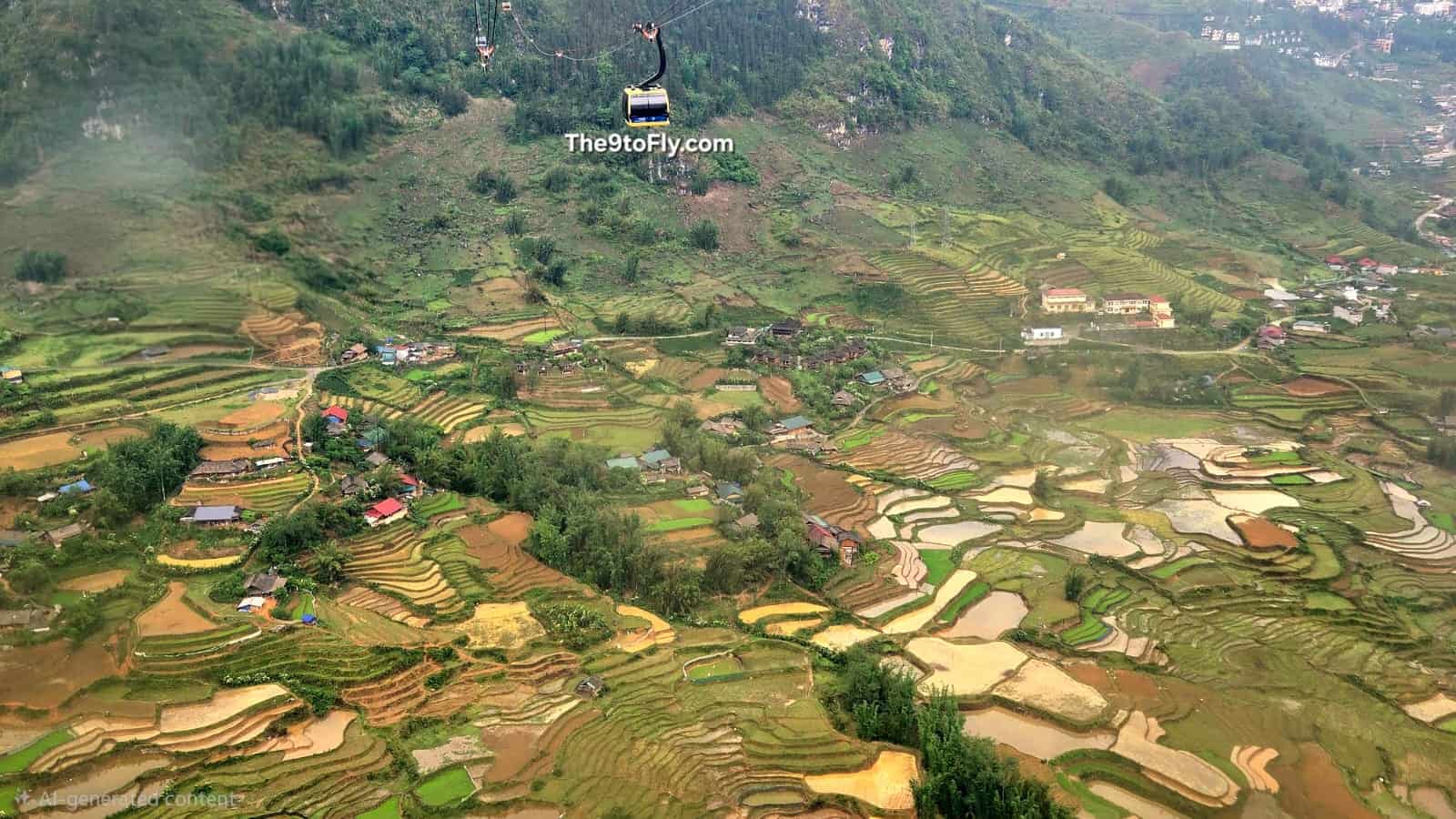
We went to Sapa as part of our Vietnam trip, right after landing in Hanoi, and honestly had no idea it would end up being one of the highlights. We’d seen the usual photos online: terraced rice fields, trekking groups, misty mountains. Beautiful, yes. But we wanted to do it our way.
We rented a scooter from our homestay, planned roughly what we wanted to hit each day, and just went. No guided trekking tour, no fixed group schedule. Three days of alpine coasters, glass bridges, underground caves, herbal baths, a cable car to Vietnam’s highest peak, a train-side cafe, and a lot of very good Vietnamese coffee.
Sapa is about 1,600 metres above sea level in northern Vietnam, close to the Chinese border. It’s a proper mountain town with cool weather year-round and an ethnic minority culture that’s genuinely interesting to learn about. The town centre is busy with tourists but drive 10 minutes out in any direction and things get quieter and more beautiful fast.
This guide covers exactly what we did across three days, what it cost, what we’d change, and everything practical you need to know before you go.
Getting to Sapa from Hanoi (by Limousine Bus)
We landed at Hanoi Noi Bai Airport around 12:30 PM. By the time we finished immigration, collected bags, and got ourselves sorted, it was closer to 1:30 to 2 PM. One quick note if you’ve seen people online saying you need to buy a fast-track immigration pass: we didn’t bother. The queues at Hanoi Airport moved quickly. Save your money and don’t stress about it.
We had a few hours to kill before the bus, so we explored the airport, grabbed some food, and had our first Vietnamese coffee. If you haven’t had Vietnamese salted caramel coffee before, try it the moment you land. It’s one of the first things we’d recommend to anyone visiting Vietnam for the first time.
The HK Limousine Bus
We booked through Klook with HK Limousine, one of the better-regarded bus companies on the Hanoi-to-Sapa route. The bus picked us up at around 4:30 PM right outside the airport terminal, which is very convenient if you’re arriving and heading straight to Sapa the same day.
The seats were VIP recliner style with built-in massage, water bottle, and face wipes included. There was also Wi-Fi on board. We paid roughly around 500,000 VND per person when we booked at the time, but rates vary depending on your dates and the class you choose. We went VIP, which is on the premium end. Standard seats are cheaper. Just check Klook on your travel dates for the current price.
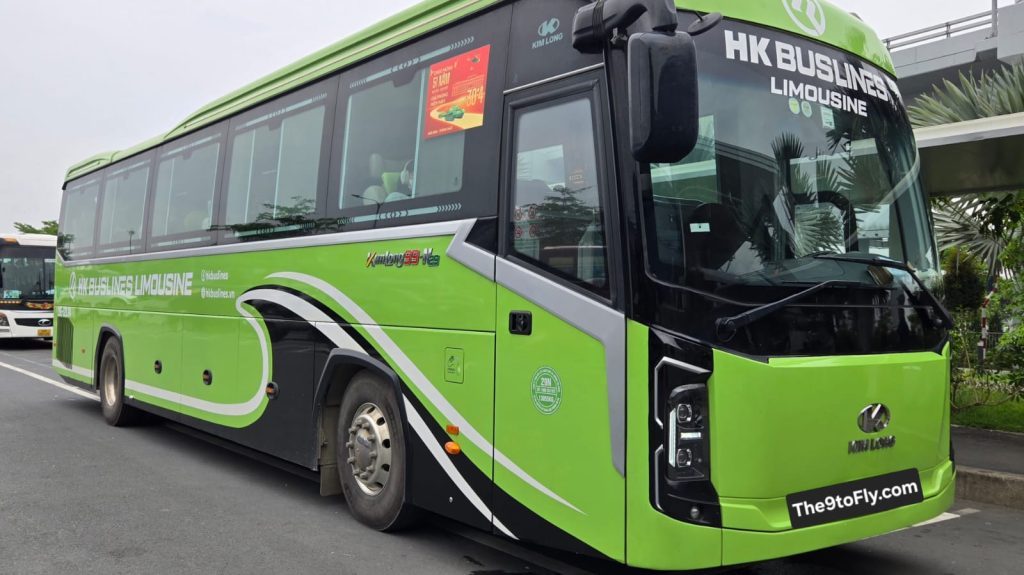
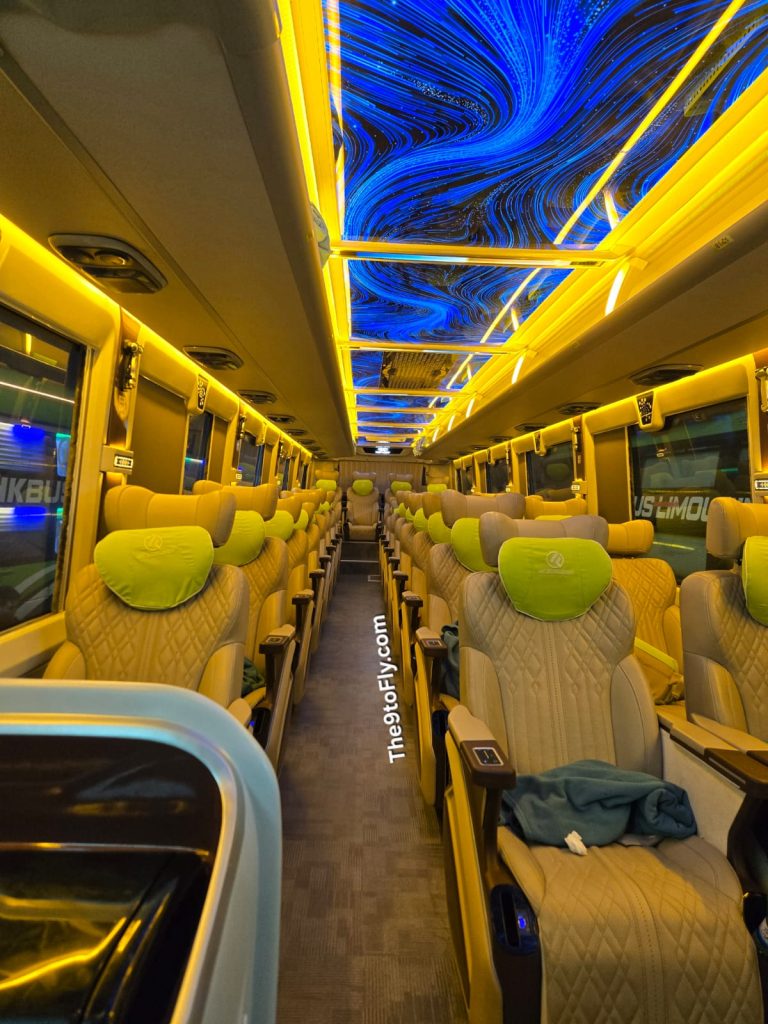
There are also 6 to 8 seater limousine vans available that get you there faster and more directly. These are worth looking at if you’re in a group or want a quicker journey. Again, check Klook for what’s available on your dates.
The bus dropped us off at the HK Limousine office in Sapa town at around 9:30 PM. From there we grabbed a Grab taxi to our homestay.
Day 1: Alpine Coaster, Cat Cat Village, Moana Cafe & Ta Phin Herbal Bath
Probably our best day of the trip. We were on the scooter by 9 AM and didn’t get home until nearly 11 PM.
Morning: Alpine Coaster (Ban Mong)
First stop was the Ban Mong Alpine Coaster. It’s a gravity-powered coaster track built into the mountainside, 1,095 metres long with an 825-metre downhill run. You control your own speed with a brake lever, which means you can dial it up or slow right down depending on how brave you’re feeling
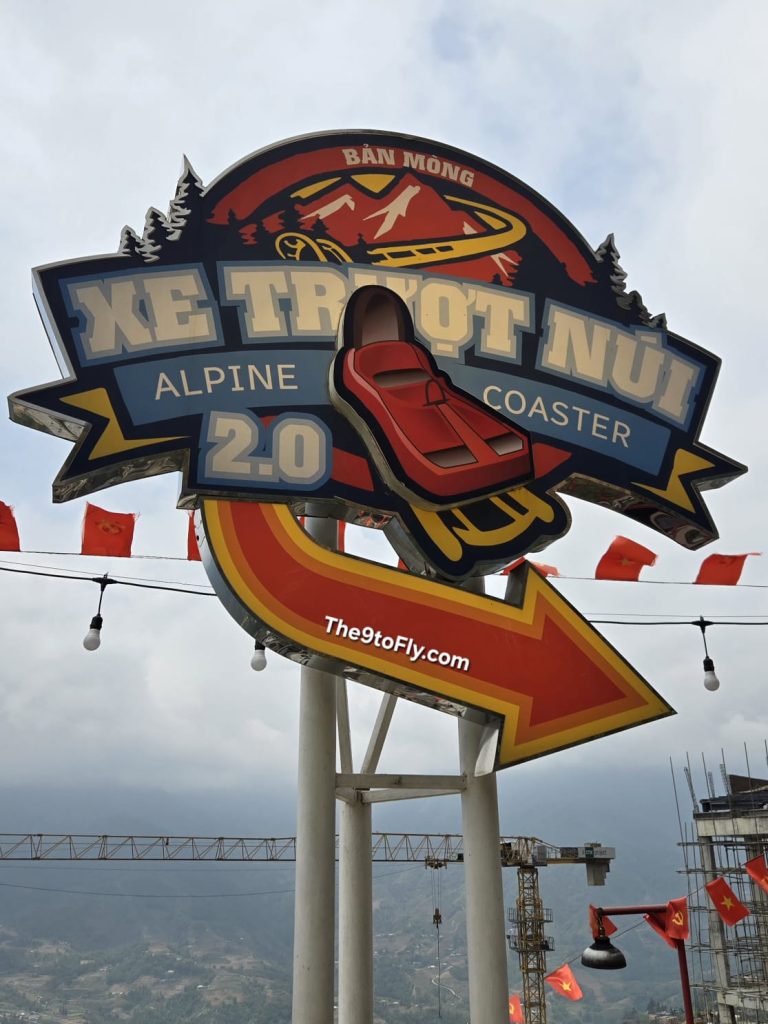
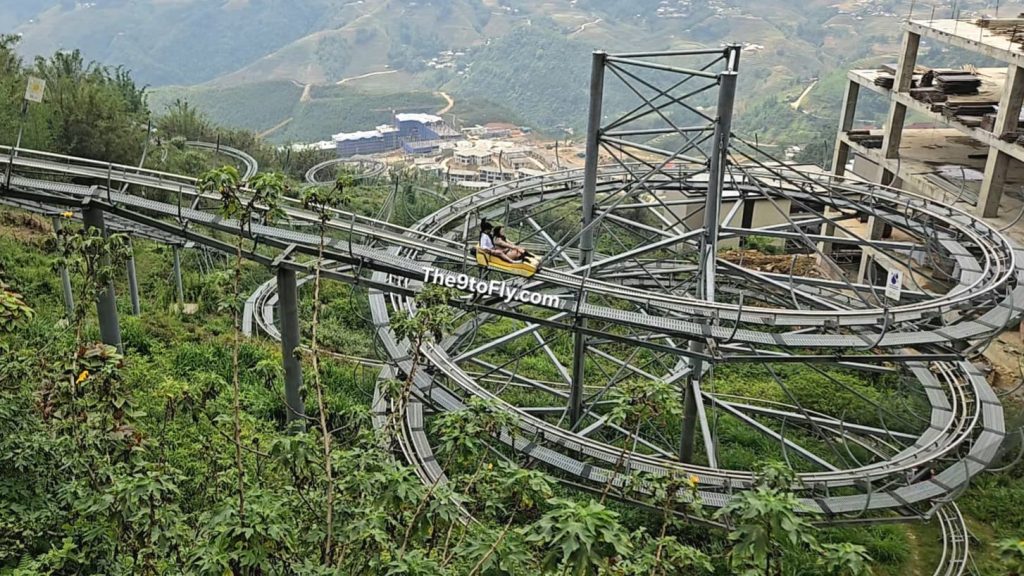
The views on the way down over the Muong Hoa Valley are excellent, and there’s an automatic camera that snaps you mid-ride. There’s also a free shuttle service from Sapa Convention Center to the coaster every 30 minutes if you’re not on a scooter. We went on the scooter and it was a quick, direct ride.
Alpine Coaster cost: 250,000 VND for the first ride, 100,000 VND for additional rides.
Hours: 9:00 AM to 6:00 PM daily. Closes in bad weather.
Afternoon: Cat Cat Village
Cat Cat is a traditional H’mong village a short drive from Sapa town, and we spent the whole afternoon there. The paths wind down through terraced fields, wooden houses, and past a waterfall, with plenty of spots to stop, look around, and take photos.
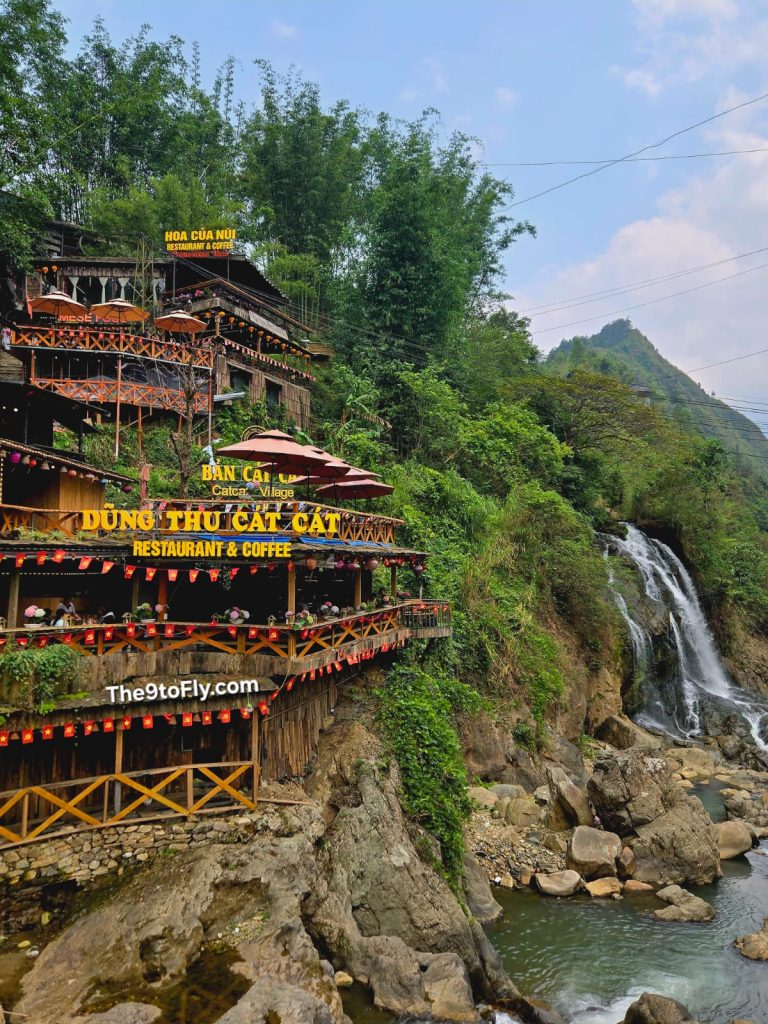
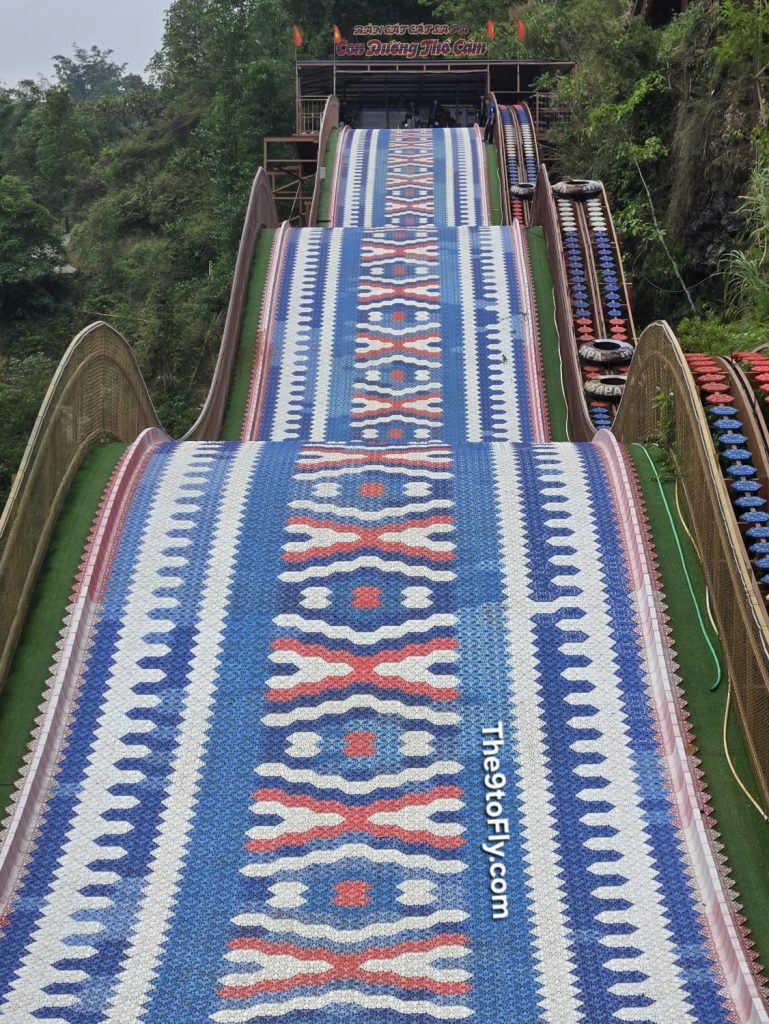
One of the things that genuinely interested us was watching local women working on indigo-dyed fabric. The process involves repeatedly dipping cloth into indigo dye until the colour builds into that deep, rich blue you see on traditional H’mong clothing. We bought a few pieces. It’s the kind of thing you can’t really find outside of these communities.
The rainbow slide is the Instagram-famous activity here. It’s fun, fast, and the drone video option gives you a good clip of the whole ride. We had fresh coconut water by the stream afterwards, which was much needed.
Cat Cat Village entrance: Around 100,000 VND/person.
Rainbow slide: Extra 40,000 VND. Drone video: +100,000 VND.
Late Afternoon: Moana Cafe
On the way back we stopped at Moana Cafe, the famous viewpoint cafe all over Instagram. The view is genuinely good. The queue and the crowds are also genuinely real. It’s not quite as effortless as it looks on other people’s feeds. But it’s worth stopping for and the photo does come out well if you’re patient.
The best part of this whole stretch, honestly, was just the drive itself. The road through Sapa’s valley, past rice plantation fields with the hills on either side, is one of the most scenic drives we’ve done anywhere. Stop whenever something looks good. That’s the whole point of the scooter.
Evening: Italian Cafe and Ta Phin Village
We stopped at a local Italian cafe for pizza before heading to Ta Phin. Ta Phin is about 40 to 45 minutes from Sapa town (around 12 kilometres), so it was going to be a late return and we needed fuel.
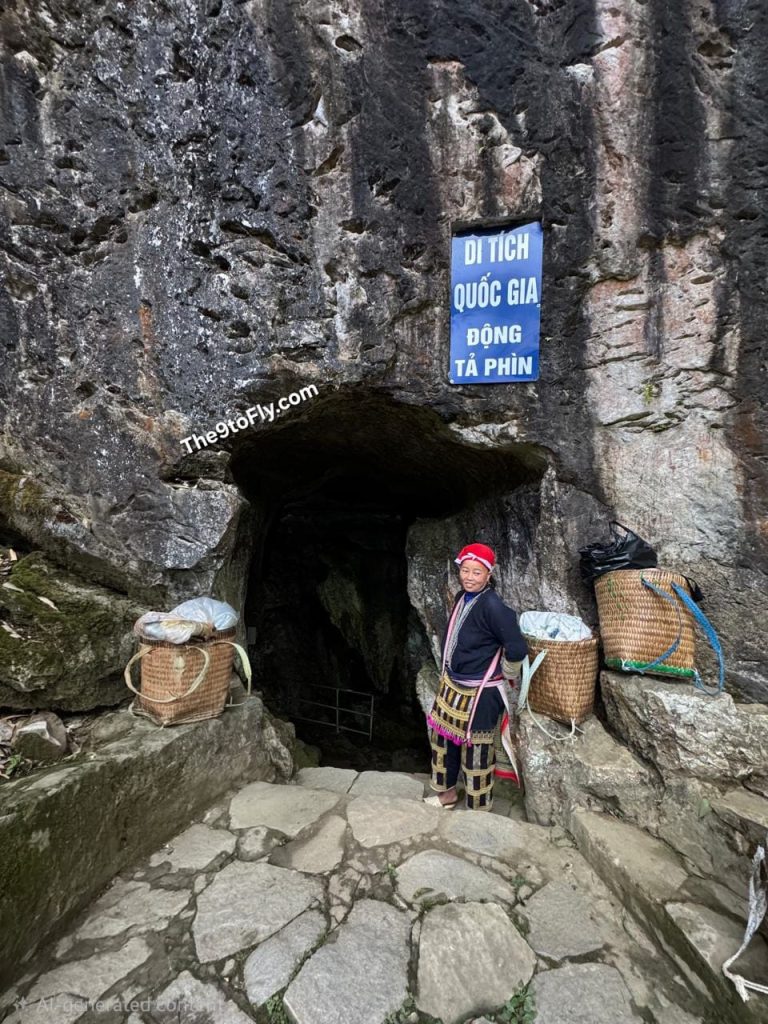
Ta Phin Village is home to the Red Dao community, and the place to go if you want to experience something genuinely different. The village feels quieter and more rural than anywhere close to the town centre.
The Cave
On the way in, there’s a small cave you can enter for 20,000 VND. It’s not a massive cave system, maybe 20 minutes to walk through, but it’s interesting and the low entry fee makes it an easy add-on. Worth stopping for.
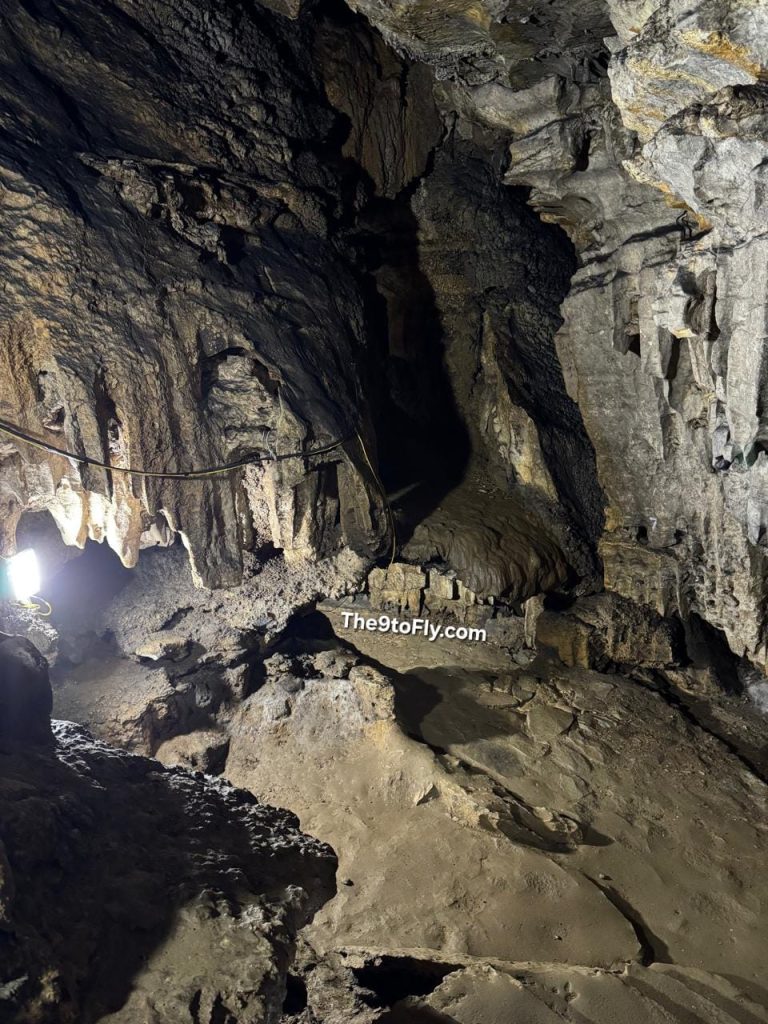
The Red Dao Herbal Bath
This is the main reason people come to Ta Phin. Around 40 households in the village offer the herbal bath service. The herbs are chopped, boiled over a wood fire, and poured into wooden bathtubs. The water is dark and smells earthy. You soak for 20 to 30 minutes, and your body genuinely feels better afterwards. The Red Dao have been using these herbs for generations for muscle aches, joint pain, and fatigue, and it’s not just marketing. It works.
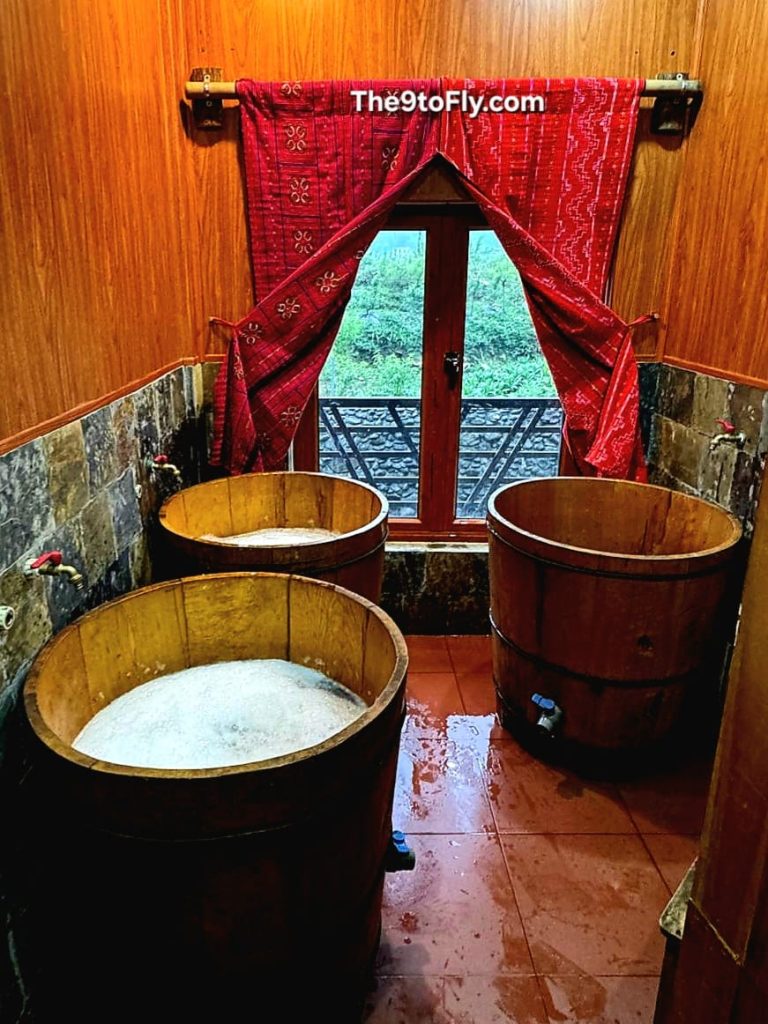
Important: Don’t stay in too long, especially if you’re not used to hot herbal baths. Some people get dizzy after about 20 minutes. Listen to your body and get out if you need to.
Herbal bath cost at Ta Phin: 80,000 to 150,000 VND per session at local houses. Mid-range spas in Sapa town charge 150,000 to 300,000 VND and sometimes include a massage.
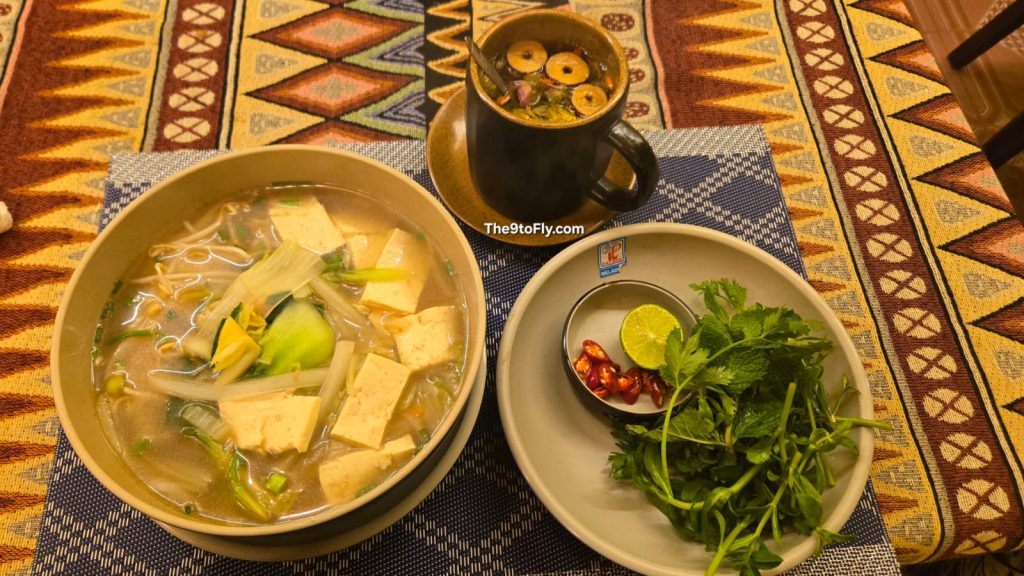
We got back to Sapa town around 8:30 PM and had dinner at Fansipan Restaurant, where we tried vegan pho and deep-fried noodles. Both were really good. Vince also had a coconut coffee. Vietnam’s coffee culture is something else entirely, and Vince was making the most of every new flavour he could find. By 10:30 to 11 PM we were back at the homestay.
Day 2: VeitTrekking Cafe, Glass Bridge, Heaven Slider & Silver Waterfall
Day 2 was supposed to be our big trekking day. The homestay had arranged a guide for a 6 to 8 hour trek to a nearby village. It rained heavily all night and kept going until 10 AM. The trek was off.
We’re not going to pretend we were upset about it. The rest was welcome. Once the rain cleared, we grabbed the scooter and figured it out as we went.
Late Morning: VietTrekking Cafe (Train View Restaurant)
VietTrekking is a cafe and restaurant in Sapa that’s famous for one thing: a train passes directly by it. Ground floor is the coffee area and it’s almost always full. The upper floor has a separate dining room with a direct view of the tracks.
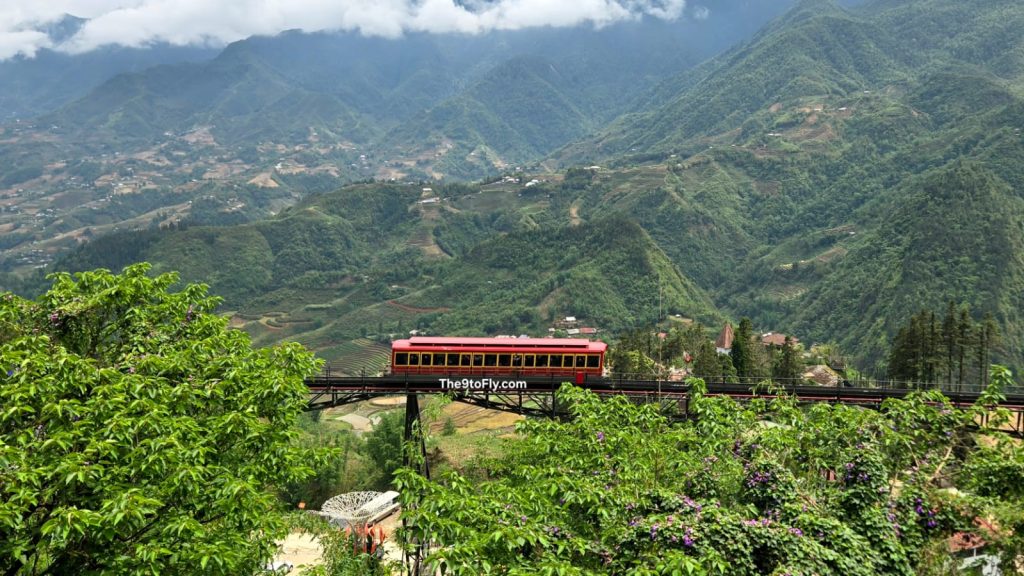
We had lunch here. Vegan options were limited: salad, vegan fried rice, and vegan pasta. The food is fine, the prices are on the higher side, and honestly you’re paying for the experience of watching a train come through while you eat. We’d say that’s worth doing once.
Afternoon: Rong May Glass Bridge & Heaven Slider
The Glass Bridge was about an hour’s scooter ride from Sapa town. The mountain road on the way is spectacular. We stopped multiple times just to look at the views.
Before you go, a few things you really need to know:
- Bring cash. They do not accept cards. There are no ATMs nearby. We had to do an online transfer and get cash from a stranger, which was a hassle we’d prefer not to repeat. Bring more than you think you need.
- Bring a jacket. It’s at a much higher elevation and noticeably colder and windier up there than in Sapa town.
- The last section of road up to the entrance is very steep. There’s a free shuttle bus from the parking area that takes you up.
- If paying by card anywhere near this area, note that a 4 to 5% surcharge applies. Easier to bring cash.
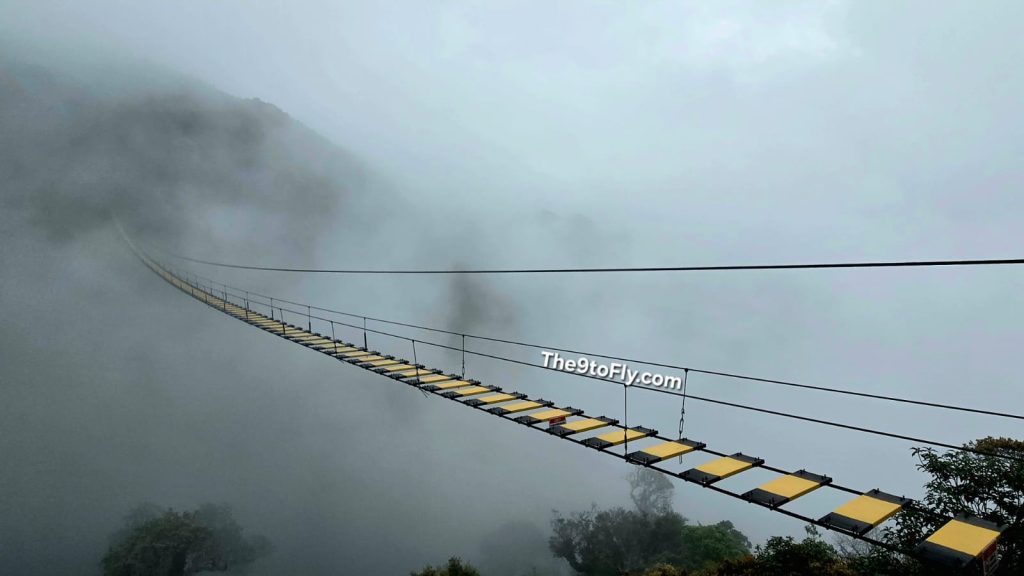
The ticket is around 500,000 VND per person. The elevator ride to the top takes about 5 minutes. When we were there it was foggy from the morning rain, so the views weren’t at their clearest. But the glass bridge is still impressive even in cloud: a long transparent walkway where you can see the drop below whenever the mist parts.
The Heaven Slider is the Instagram-famous activity at the top. A long slide down the mountain at a decent speed. We did it. The drone video option (extra 100,000 VND) makes the whole thing look much more dramatic on film than it feels when you’re actually doing it. Worth adding if you want good content from the day.
Glass Bridge: ~500,000 VND/person (cash only)
Heaven Slider: 150,000 VND/person. Drone video: +100,000 VND.
On the Way Back: Silver Waterfall (and Love Waterfall)
We planned to stop at both Silver Waterfall and Love Waterfall on the way back. By the time we got there, it was close to 5:30 PM and both had already closed for the day (Silver Waterfall closes at 5:00 PM, Love Waterfall at 5:00 PM). We just took a few photos from outside the gate and moved on.
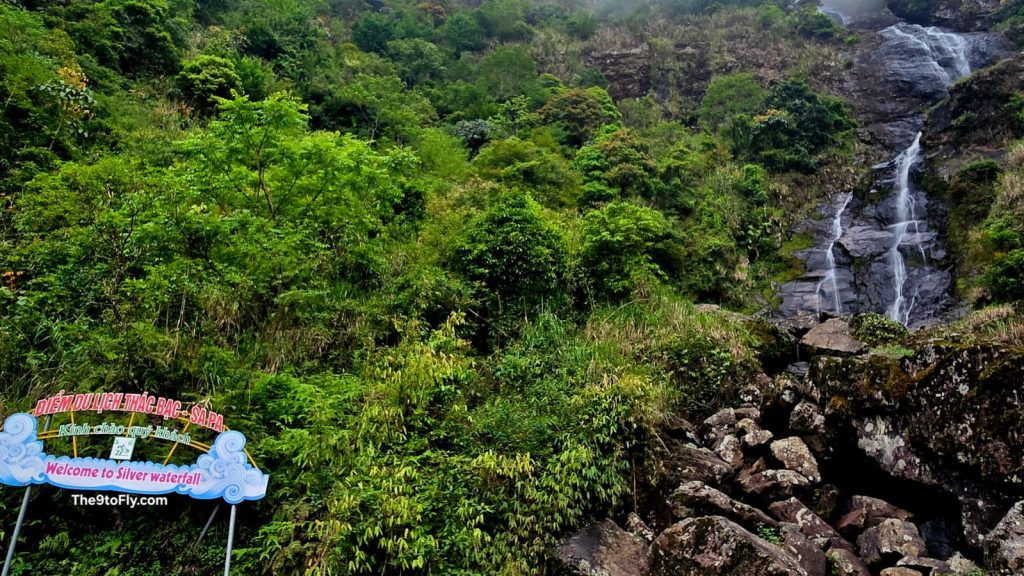
If you time it better than we did, both are worth a proper stop:
- Silver Waterfall (Thac Bac): 20,000 VND adult, 10,000 VND child. A 200-metre cascade right off the main road. Short walk from the entrance. 30 to 60 minutes is plenty. Open 8:30 AM to 5:00 PM.
- Love Waterfall (Thac Tinh Yeu): 70,000 VND adult. A quieter, forest waterfall with a pool at the base where you can swim. 30 to 45 minute walk each way. Open 9:00 AM to 5:00 PM. Cash only.
Our recommendation: include these on the way to the Glass Bridge in the morning, not on the way back in the evening. We got caught out by the closing times.
Evening: Sapa Night Market and Dinner
Back in Sapa town by 6:30 to 7 PM. We explored the night market for an hour, bought a few souvenirs, and absorbed the general buzz of the town in the evening.
Dinner was at Bollywood Spice, an Indian restaurant in Sapa town. We had masala chai and chole bhature, which we enjoyed a lot. Then the usual 40 to 45 minute scooter ride back to the homestay and we were home by around 11 PM.
Day 3: Fansipan by Cable Car & Sleeper Bus Back to Hanoi
Morning: Breakfast and Fansipan
Fansipan is Vietnam’s highest mountain at 3,147 metres, also known as the Roof of Indochina. You can trek (long, multi-day, requires a guide) or take the cable car. We took the cable car.
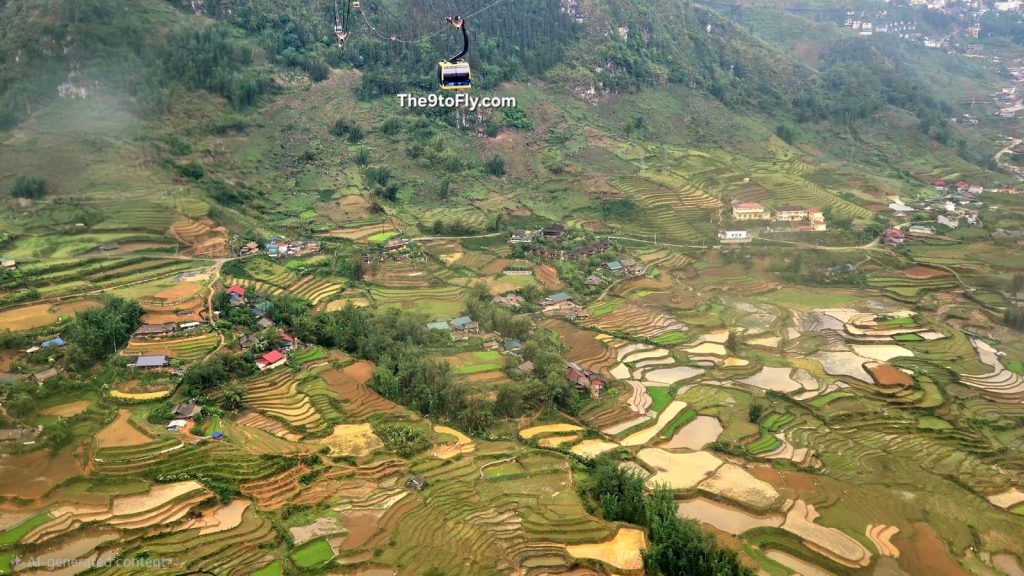
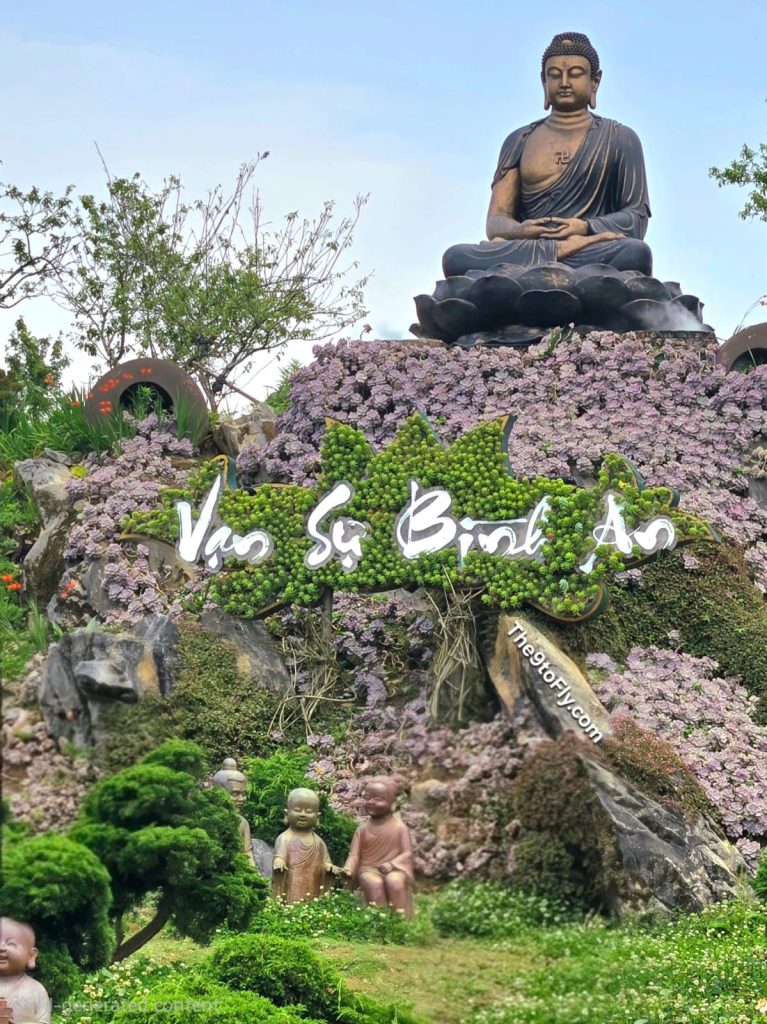
We had breakfast at a cafe in Sapa town first, then went to Fansipan. Getting there is easy: take the Muong Hoa monorail from Sun Plaza in the town centre (a scenic little ride in itself), then the cable car from Hoang Lien Station up to the summit area.
The other way to reach Fansipan is through the Sun World Fansipan Legend complex, where you take the cable car up the mountain.
Before you go:
- The cable car ride is about 25 minutes. Budget 5 to 6 hours minimum for the full experience.
- Bring layers. It’s significantly colder and windier at the top, even on warm days in Sapa town. A cap and jacket are essential.
- If you’re paying by card, a 4 to 5% surcharge is added. If you have cash, use it to avoid the extra charge.
- On a clear day the views are supposed to be extraordinary. Most days it’s foggy at the summit. Locals told us only about one in twenty visits gets truly clear views. Manage expectations accordingly.
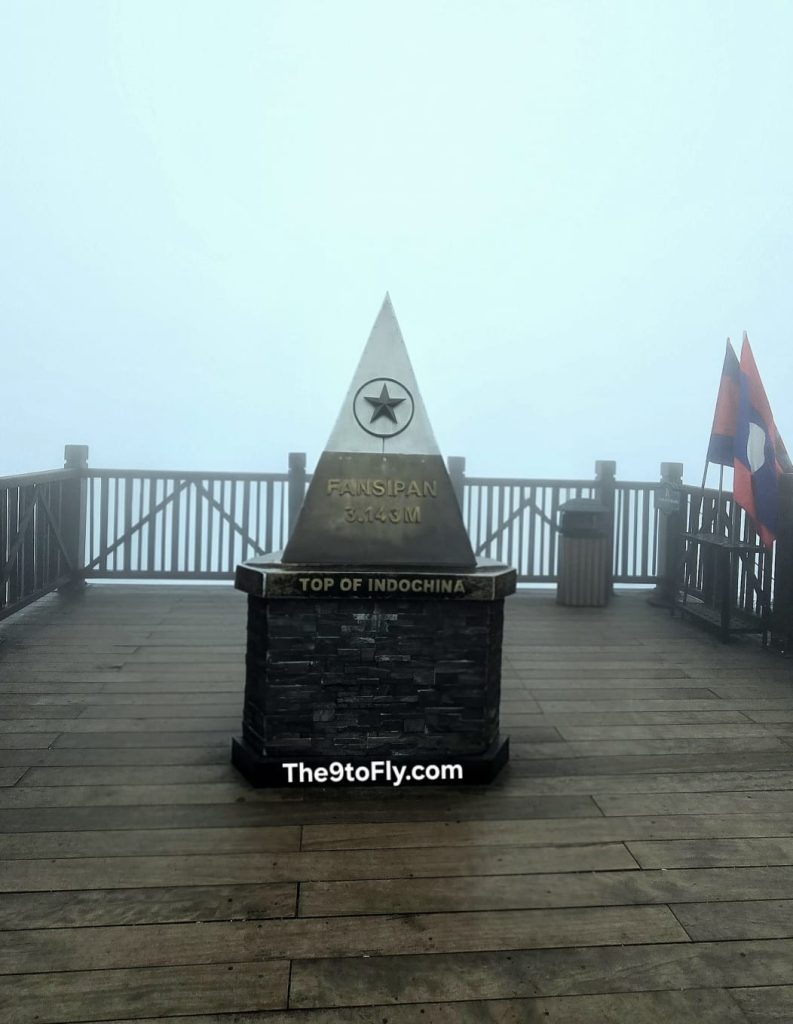
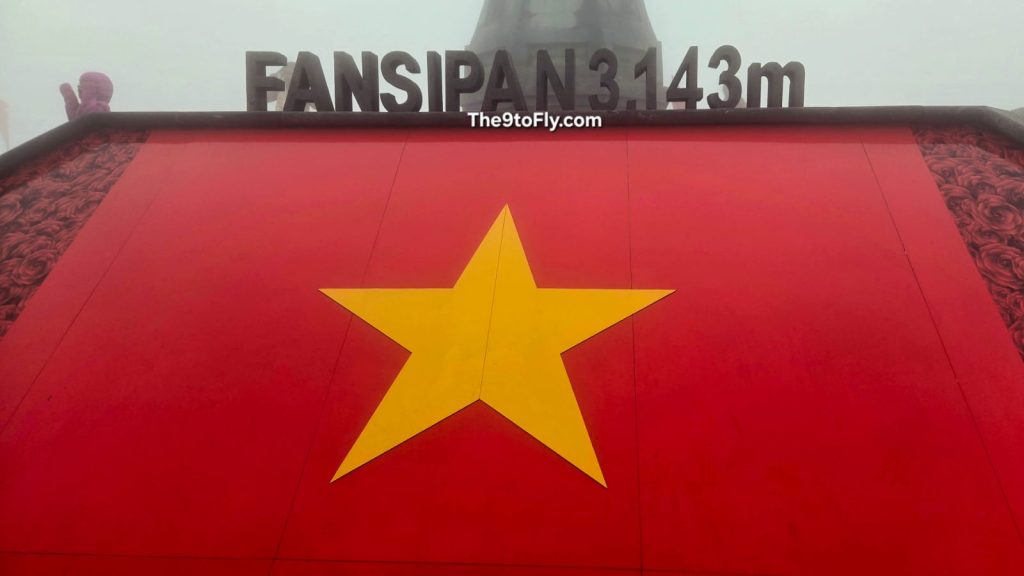
We got the foggy version. The top was completely in cloud and we couldn’t see the Great Amitabha Buddha statue clearly until we were standing right next to it. No panoramic views. But honestly, the atmosphere of being in thick cloud at 3,147 metres has its own thing going for it. It’s quiet, dramatic, and unlike most places you’ll visit. We didn’t leave feeling cheated.
Fansipan cable car: 800,000 VND/adult Monday to Friday and Sunday. 850,000 VND Saturday and public holidays. Children (1.0 m to 1.4 m): 550,000 VND.
Muong Hoa monorail: 200,000 VND/person round trip.
Combo (cable car + buffet + monorail): 1,200,000 VND/adult. Good value if you plan to eat at the summit.
Summit funicular (optional): 150,000 VND up, 120,000 VND down.
Late Afternoon: Late Lunch and Packing Up
We got back from Fansipan around 5 PM and went straight to Gujarat Restaurant for a late lunch. Really good Indian food. After a big Fansipan day, it was exactly what we wanted.
After lunch we rode back to the homestay, packed everything up, rested for a couple of hours, and had a final dinner cooked by our hosts. Then we made our way back into Sapa town for the bus.
Evening: Sleeper Bus Back to Hanoi
We booked the G8 Open Tour sleeper bus back to Hanoi. The bus office has a lounge with coffee, tea, and water where you can wait. We arrived there around 10:30 PM. The bus departed at 11:15 PM and we pulled into Hanoi around 5:00 to 5:15 AM.
The bus is a proper sleeper with flat pods. Comfortable enough for an overnight journey. The cost was around 300,000 VND per person. Book in advance through Klook or directly from G8.
Note for our next stop: We were heading to Cao Bang after Hanoi, so we had a connecting limousine van booked from Hanoi at around 6:00 to 6:30 AM. It was a tight connection but it worked. If you’re doing the same route, plan for the early morning onwards transfer and try to sleep on the bus.
Food in Sapa: Vegan and Vegetarian Options
Better than we expected, and improving. Here’s what to know:
The Chay Hack
In Vietnamese, the word chay (spelled C-H-A-Y) means vegan or vegetarian. If you see it on a menu next to a dish name, it’s the plant-based version. Vegan pho, vegan fried noodles, vegan banh mi. Vietnamese restaurants are generally quite accommodating if you ask for the chay version of something. It’s common enough that most places understand it.
What We Ate
- Vegan pho at Fansipan Restaurant on Day 1. Really good.
- Deep-fried noodles at the same restaurant. Also excellent.
- Limited options at VietTrekking: vegan fried rice, vegan pasta, salad. Fine but pricey.
- Masala chai and chole bhature at Bollywood Spice on Day 2.
- Late lunch at Gujarat Restaurant on Day 3.
- Vietnamese salted caramel coffee at Hanoi Airport (do not skip this).

General Tips
- Restaurants in Sapa town are noticeably more expensive than in Hanoi or most of Vietnam. Budget for it.
- Carry backup snacks for long scooter days when you’re far from town. There aren’t always vegan options at roadside spots.
- Coconut coffee is a must-try. Egg coffee is worth trying once. The coffee culture in Vietnam is genuinely impressive.
Where We Stayed
We stayed at MY’S Homestay, about 11 kilometres from Sapa town centre, out in the hills among the terraced fields. The setting was genuinely beautiful in a very unpolished way. Traditional-style house, mountains in the background, three young kids running around the yard.
It wasn’t fancy. It was the cheapest option we found on Booking.com and it came with no frills. But the hosts were some of the friendliest people we met on the whole trip, went out of their way to help us with directions and local tips, and the whole experience felt like actual rural Vietnam rather than a hotel dressed up to look like it.
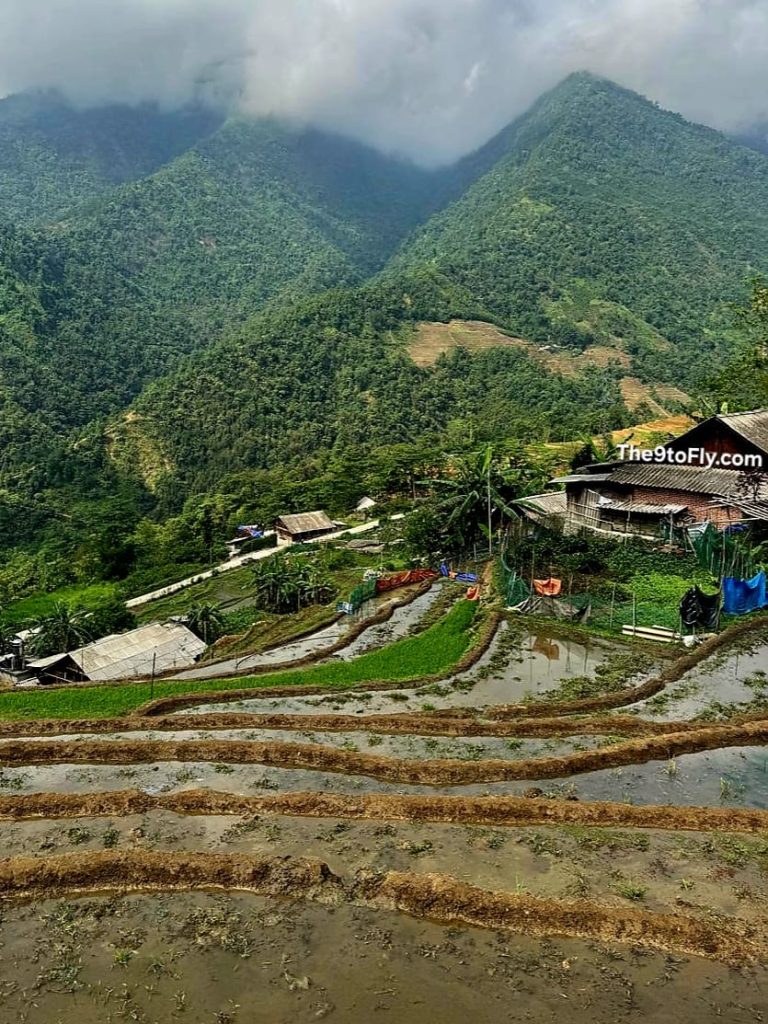
If you want to stay close to restaurants and the night market, book in Sapa town. If you want a proper local stay and don’t mind the commute (you need a scooter), somewhere like this is worth it.
Book your accommodation at MY’S Homestay here!
Getting Around Sapa: Scooter Rentals
The scooter was the best call we made in Sapa. Complete freedom, good for stopping wherever the view is nice, and you cover a lot of ground without paying for taxis every time. Our homestay rented us one for 150,000 VND per day. There was a petrol station nearby so fuelling up was easy.
One thing worth knowing: nobody asked us for a licence. We weren’t stopped by police or asked for any documentation. That said, carry your licence if you have one, just for your own peace of mind. The mountain roads can be steep and winding, especially near the glass bridge and Fansipan. Take it slow, especially after rain when the roads get slippery.
Grab also works in Sapa if you prefer taxis for some journeys.
Scooter rental: Around 120,000 to 200,000 VND per day depending on where you rent from.
Practical Tips
- Pack layers even in warmer months. Sapa town is cool year-round and the Glass Bridge area and Fansipan summit are significantly colder. Bring a proper jacket, not just a light top.
- Bring cash everywhere. Glass Bridge, Ta Phin cave, herbal bath, night market stalls, local restaurants. Cash is essential and ATMs are not always close to attractions.
- Scooter licence: in practice, nobody asked for ours and we weren’t stopped. Carry it if you have one. Take the mountain roads slow and be extra careful after rain.
- Grab works in Sapa for taxis if you don’t want to ride a scooter for some journeys.
- Time the waterfall stops for the morning or early afternoon. Silver Waterfall and Love Waterfall both close at 5:00 PM and we got caught out.
- Book Fansipan cable car tickets in advance during peak season (September to November, March to May). Weekend mornings can get busy.
- VeitTrekking for the train experience, but go knowing the food options are limited if you’re vegan.
- G8 Open Tour is reliable for the sleeper bus back to Hanoi. Book in advance.
FAQs
How many days do you need in Sapa?
Four to five days is the ideal amount if you want to pace yourself, do a proper trekking day, and not feel rushed. Three days is doable but you’ll be moving fast and will likely still leave things undone. We packed three days as full as we could and still felt like we could have stayed longer.
Is Sapa worth visiting without trekking?
Absolutely yes. The alpine coaster, glass bridge, Fansipan cable car, Ta Phin herbal bath, Cat Cat village, and the general scooter-around-the-valley experience are all genuinely worthwhile on their own. Trekking is one option, not the only option.
What is the best time to visit Sapa?
September to November is excellent: golden rice terraces, clearer skies, cooler temperatures. March to May is also good. June to August is rainy season. December to February is cold and can have low visibility at higher elevations. We went during a shoulder season and had a mix of sun and fog depending on the day.
Is Fansipan worth visiting if it’s foggy?
Yes, with adjusted expectations. The cable car ride is impressive, the summit temples and Buddha are worth seeing, and there’s a certain atmosphere to being in thick cloud at 3,147 metres that you can’t really replicate anywhere else. If you’re going specifically for panoramic views, those might not happen. But you still get a genuinely memorable experience either way.
Is vegan food available in Sapa?
More than you’d expect. Look for the word chay on menus (C-H-A-Y), which indicates a vegan or vegetarian version of a dish. Vietnamese restaurants are generally happy to accommodate. You won’t struggle in town. On long days out at attractions, carry backup snacks just in case.
Do I need a scooter licence in Sapa?
In practice, we were not asked for one and were not stopped. That said, carry your licence if you have it, ride carefully on mountain roads, and be aware that roads near the glass bridge and Fansipan are steep and winding. After rain especially, take it slow.
Final Thoughts
Sapa was one of those trips that gave us more than we expected. We went in thinking it would be nice, and came back genuinely surprised by how much variety there is. An alpine coaster, a glass bridge, Vietnam’s highest mountain, a traditional herbal bath, a village with people making indigo fabric, and a cafe where a train goes by your table. In three days.
If you have four or five days, use them. More time means you can slow down, fit in a proper trekking day, spend longer in Ta Phin, and not rush back from the waterfalls before closing time.
Next on our Vietnam trip was Cao Bang. Follow us for that post.
Got questions about Sapa? Drop them in the comments or DM us. Happy to help.

![Cao Bang Travel Guide: 2 Days, Ban Gioc Waterfall & Angel Eye Mountain [2026]](https://the9tofly.com/wp-content/uploads/2026/08/20260428_204129-768x432.jpg)