

Biwako Valley Ski Resort Day Trip from Kobe [2026 Guide]
The9toFly contains affiliate links. If you make a purchase using one of the links below, we may receive compensation at no extra cost to you. We only recommend products and services we use and trust. Read our disclaimer for more information.
We woke up at 5:45 AM on a Friday in February. Voluntarily. For skiing.
Now, neither of us are morning people. Annie especially. But we’d been staring at photos of Biwako Valley for weeks, watching ski videos, talking about “maybe next weekend” for what felt like months. Finally, we just committed. Set the alarm. Laid out our warmest clothes the night before. Told ourselves we’d sleep on the train.
Well, we did not sleep on the train. Too excited!
See, when you live in Kobe, skiing feels like something that happens in other parts of Japan. Nagano. Hokkaido. Places that require flights or overnight stays. But Biwako Valley? It’s right there. Just past Kyoto. Close enough that we could realistically ski, soak in an onsen afterwards, grab vegan ramen for dinner, and still catch the last train home.
At least, that was the theory.
We’d mapped out the whole day: which trains to catch, which bus not to miss (there’s only one every 45 minutes, and yes, we triple-checked), how much the rentals would cost, and where to eat after. It felt a bit obsessive, honestly. But when you’re doing a ski day trip on public transport with limited bus schedules, you kind of have to be.
Spoiler: it worked. We pulled it off. And it was one of the best days we’ve had since moving to Japan.
Here’s exactly how we did it.
Why Biwako Valley?
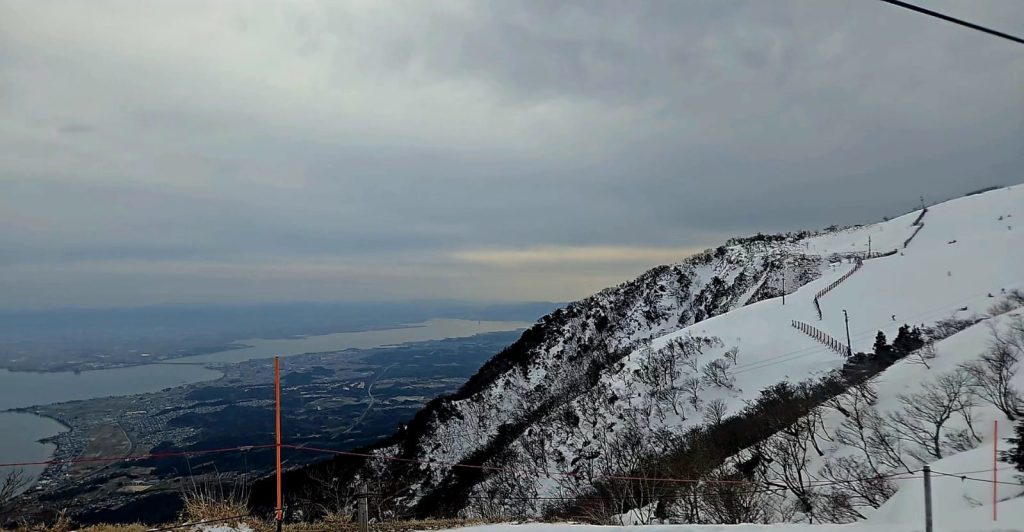
Biwako Valley sits at 1,100 meters above Lake Biwa, Japan’s largest freshwater lake. It’s been operating as a ski resort since 1965 and offers nine ski trails ranging from beginner to advanced levels.
But the real draw? Location.
While most ski resorts in Japan require overnight stays or hours of driving, Biwako Valley is accessible from Kyoto in under an hour, making it the go-to day trip ski spot for anyone in Kansai.
From Kobe? Add another hour. Still doable. Still worth it.
The views alone are worth the journey. On clear days, you can see Lake Biwa stretching out below you while you ski. It’s surreal.
Getting There from Kobe Sannomiya
This part requires attention. The journey involves multiple transfers and limited bus schedules, so planning ahead is essential.
Our Route (Weekday Schedule)
| Segment | Details |
|---|---|
| Kobe Sannomiya → Kyoto | JR Special Rapid, departed 7:20 AM |
| Kyoto → Katata | JR Kosei Line |
| Katata → JR Shiga Station | One stop transfer |
| JR Shiga Station → Biwako Valley Ropeway | Local bus (limited schedule) |
| Total travel time | Approximately 2 hours 15 minutes |
Important: Bus Schedule from JR Shiga Station
This is where most people get tripped up. The buses from JR Shiga Station to Biwako Valley Ropeway are LIMITED. They run roughly every 45 minutes.
Cost (One-way): ¥410 (adult); ¥210 (child)
The bus schedules are DIFFERENT for weekdays vs. weekends/holidays. Always check the official Biwako Valley website (scroll down to find the Bus Timetable in winter season) or Google Maps before your trip.
We caught the 7:20 AM Special Rapid from Sannomiya, which got us to JR Shiga Station in time for the early bus. We reached the base of the ropeway around 9:30 AM.
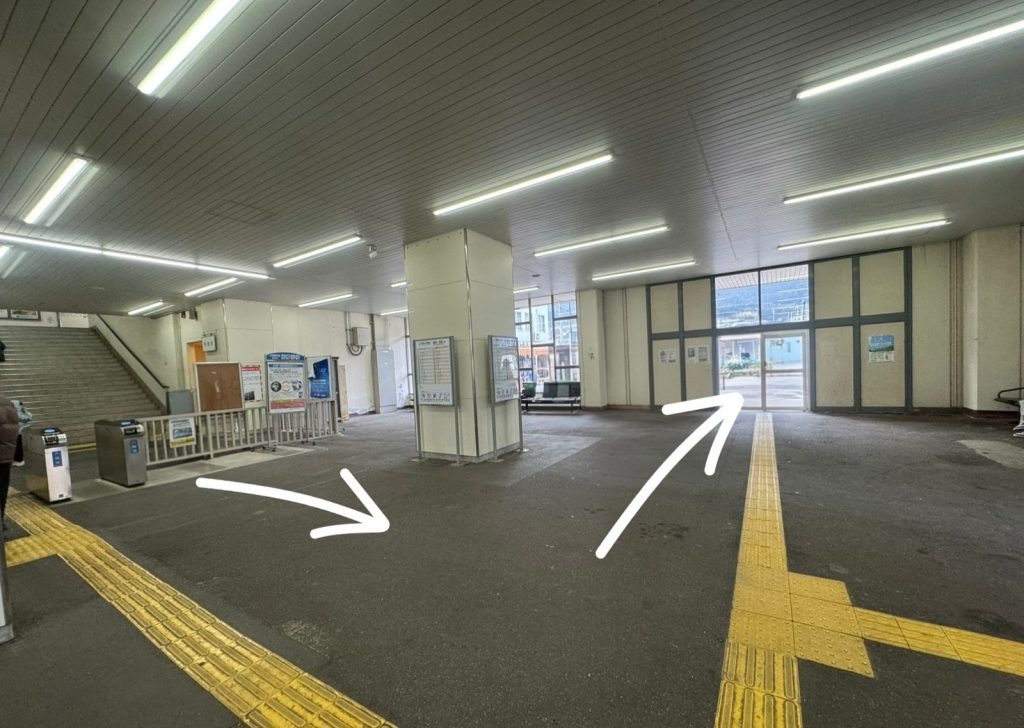
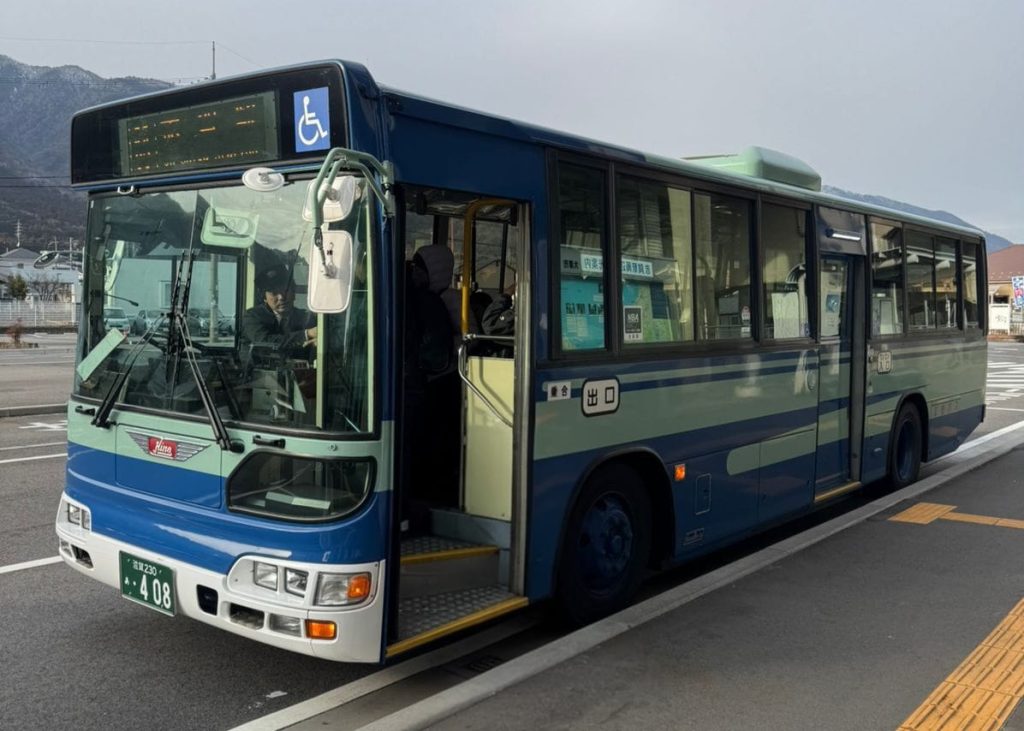
Pro tip: If you’re coming from Osaka, Kyoto, or Himeji, use Google Maps to calculate your travel time and work backwards from the bus schedule. Missing a bus means a 45-minute wait in the cold.
Skiing at Biwako Valley (Winter Season)
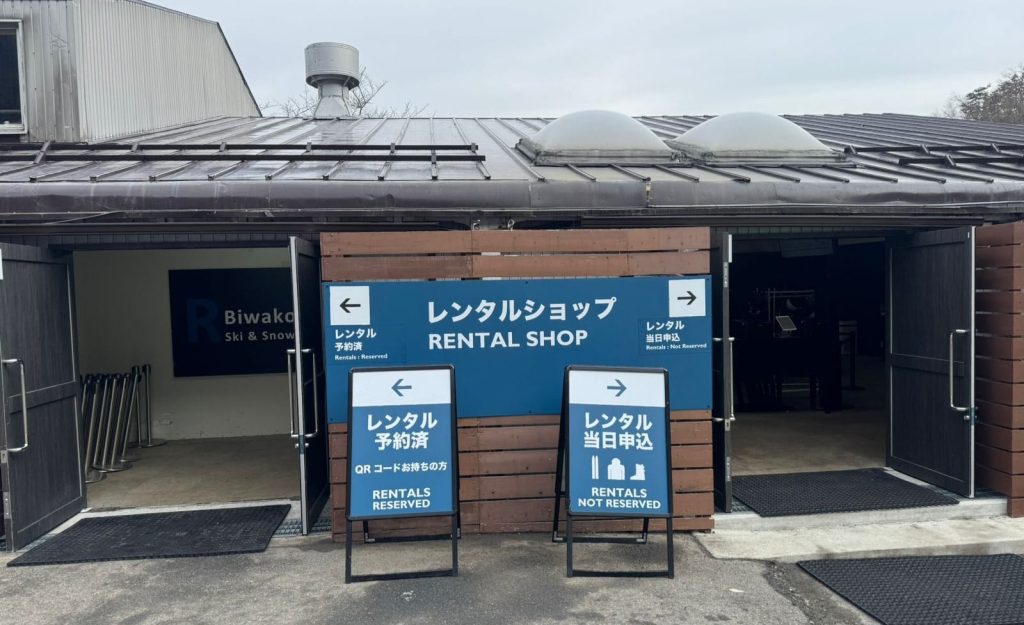
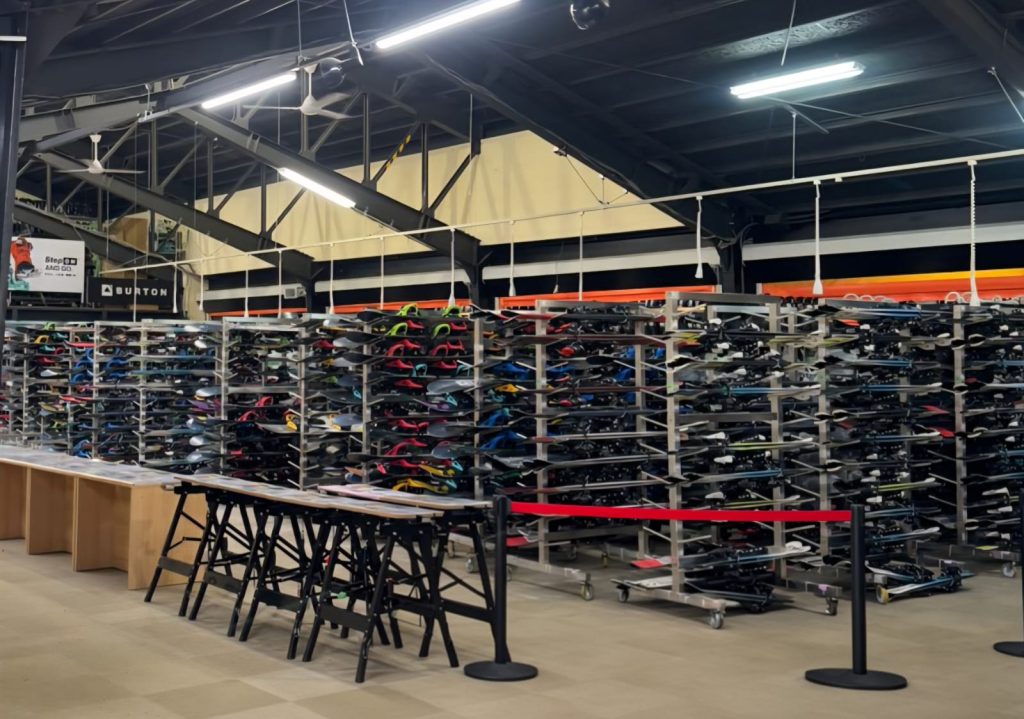
Once you arrive at the base, everything you need is right there: rental shops, coin lockers, changing rooms, and ticket counters.
Rental & Equipment Costs
| Item | Cost (per person) |
|---|---|
| Full rental (skis/snowboard + boots + poles + jacket + pants) | ¥9,000 |
| Rental without ski clothing (bring your own ski jacket/pants) | ¥6,000 |
| Coin locker (small) | ¥300 |
| Coin locker (large) | ¥500 |
We went with the full rental package since we don’t own ski gear. The equipment was decent quality, and the fitting process was quick.
Pro tip: Toques, goggles and gloves are not available for rent- bring your own or buy at the shop in bottom station area. Helmet can be rented at an additional cost of ¥2000.
Lift Tickets
Here’s a money-saving tip: buy your tickets online in advance.
| Ticket Type | Online Price (weekday) | On-site Price (weekday) |
|---|---|---|
| One-day pass (Biwako Terrace + ropeway + lift) | ¥5,100 | ~¥6,500 |
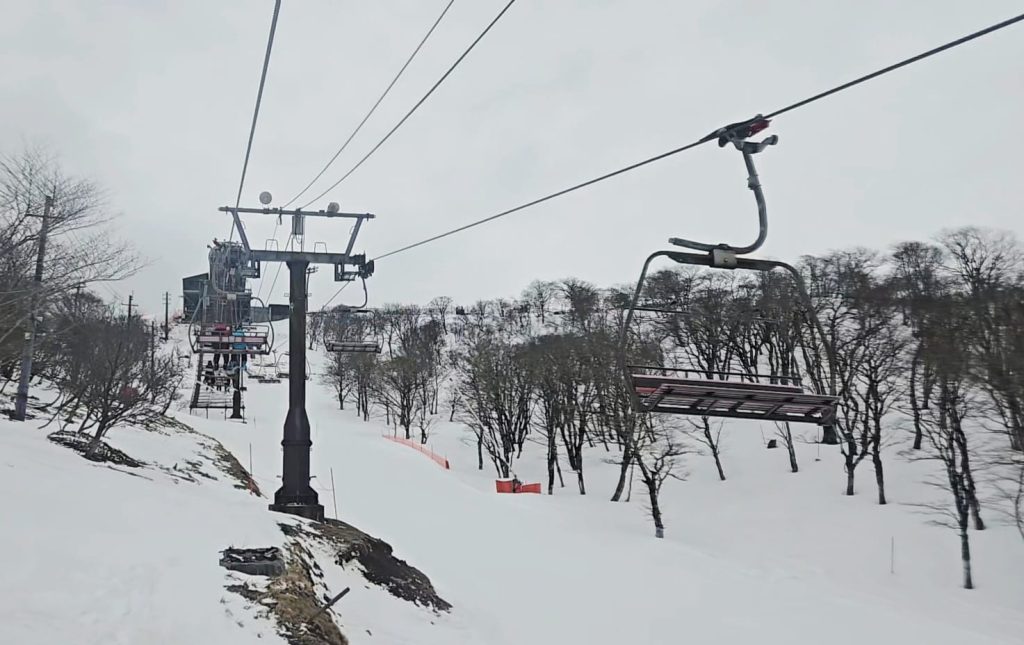
The one-day pass includes to-and-fro ropeway rides and unlimited access to all lifts. Purchase through the official Biwako Valley website before you go.
Pro Tip: The ticket cost is cheaper for domestic Japanese residents than international travelers. For domestic residents, switch to the Japanese language site and you may be asked to show a proof of your residence in Japan.
The Skiing Experience
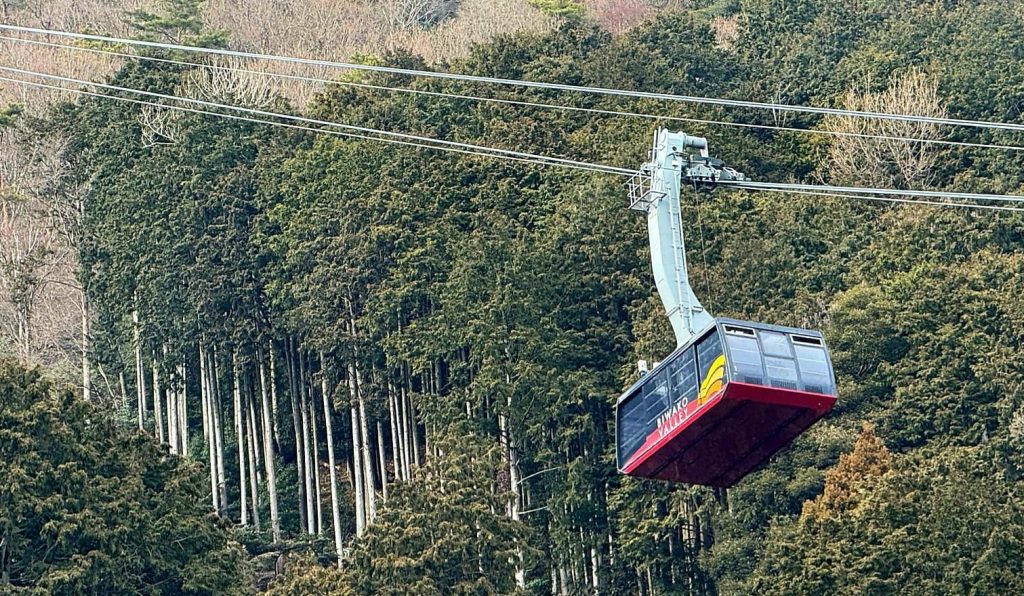
After changing and collecting our gear, we took the Zekkei Ropeway to the summit. The ropeway is Japan’s fastest, taking just 5 minutes to reach the top. It’s enclosed with glass on all four sides, giving you incredible views of Lake Biwa as you ascend.
At the top, there are multiple slopes for different skill levels: – Beginner areas with gentle slopes and practice zones – Intermediate runs with more variety – Advanced courses including moguls, slalom, and a half pipe
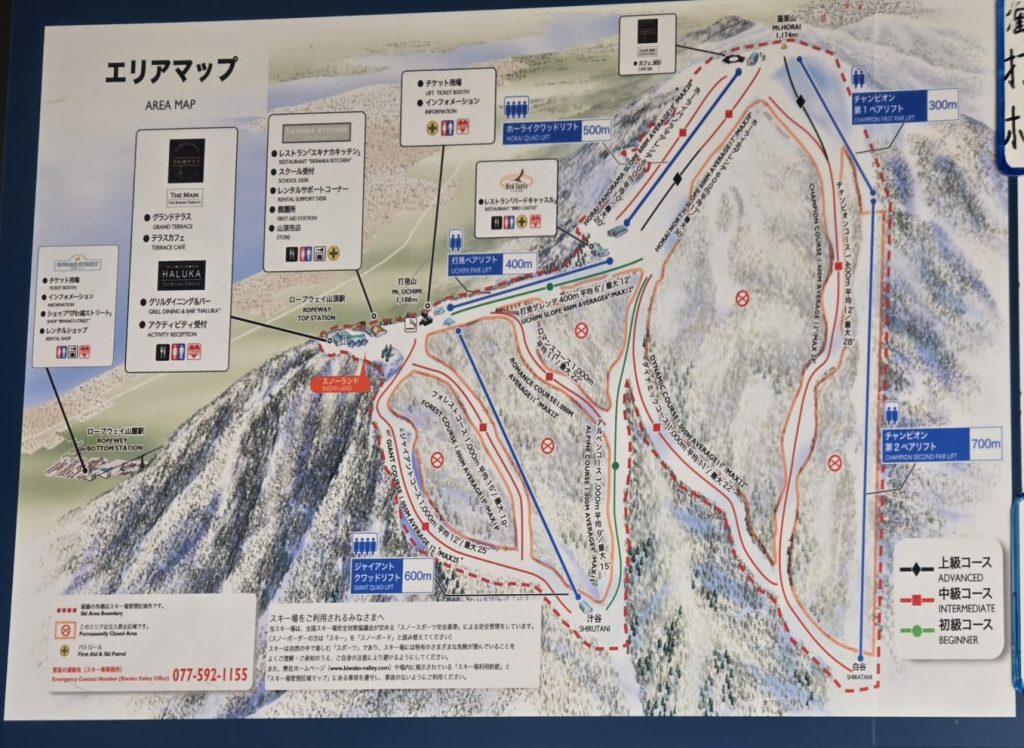
We skied from around 10:30 AM to 3:15 PM. By then, our legs were done.
Local tip: Arrive as early as possible. We went on a Friday, and it was still crowded. Weekends are apparently double the crowd. The peak ski season runs from January to February, so expect lines.
Food Options on the Mountain
There are cafes at the summit, but we’ll be honest: if you’re vegetarian or vegan, bring your own food.
The options for plant-based eaters are basically limited to tea, coffee, and vending machine drinks. We packed our own snacks and were glad we did.
The cafes also tend to be expensive (as expected at any ski resort), so bringing lunch is a budget-friendly move regardless of your diet.
Return Journey: Don’t Miss the Last Bus
This is critical. The last bus from Biwako Valley Ropeway to Shiga Station is at 5:35 PM.
We took the 4:00 PM bus to give ourselves plenty of buffer time. Other buses run at approximately: – 4:00 PM – 4:15 PM (check schedule) – 5:35 PM (LAST BUS)
If you’re renting a car, you’ll have more flexibility with parking available at the base. But for public transport users, keep an eye on the clock.
Post-Ski Relaxation: Makoto-no-Yu Onsen in Kyoto
After hours of skiing, there’s nothing better than soaking in a hot bath. We made a pit stop in Kyoto specifically for this.
Makoto-no-Yu is a super public bath (sento) located just two stops from Kyoto Station on the JR San’in Line. We reached Kyoto around 5:00 PM and headed straight there.
Why We Loved It
- Clean, modern facilities spread across two floors
- Multiple hot pools, cold baths, sauna, and a rooftop rotenburo (outdoor bath)
- Surprisingly affordable for Kyoto
- Welcoming to foreigners (rare for some traditional onsens, but no tattoos though)
| Item | Cost |
|---|---|
| Adult entry | ¥1,000 |
| Towel rental | ¥200 (bring your own to save) |
After skiing all day, sinking into the hot water was pure bliss. The rooftop outdoor bath under the evening sky + four baths + sauna? Perfect way to reset.
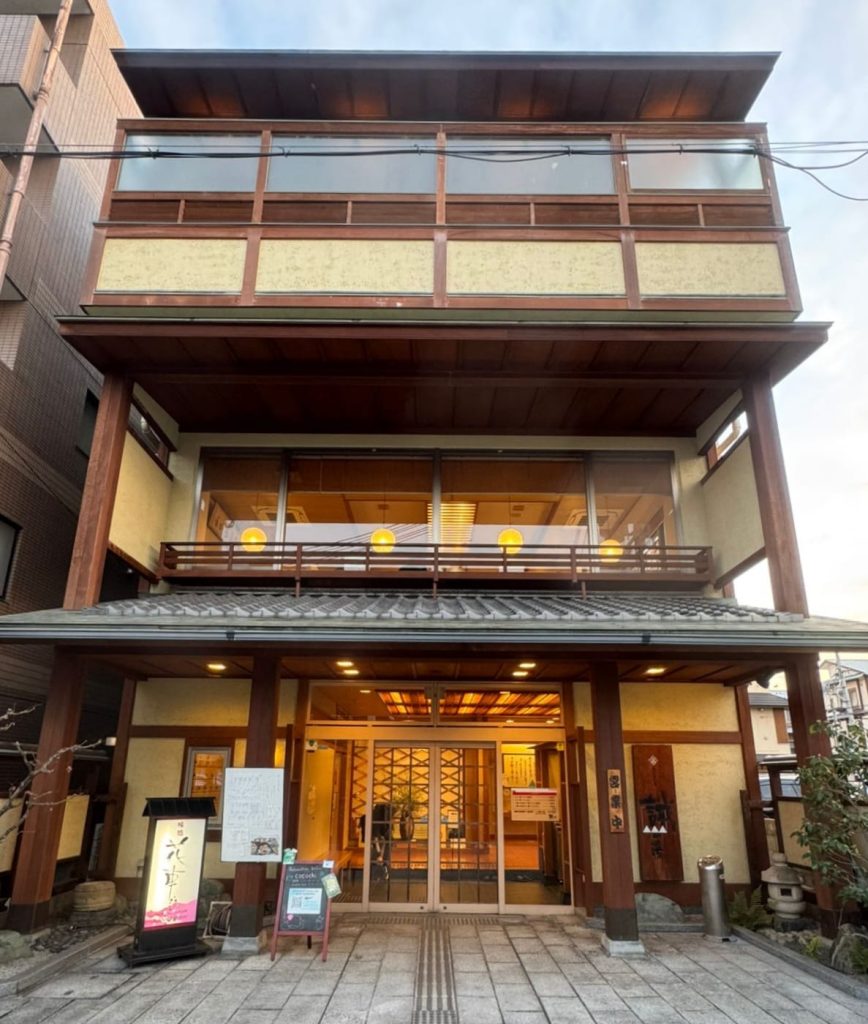
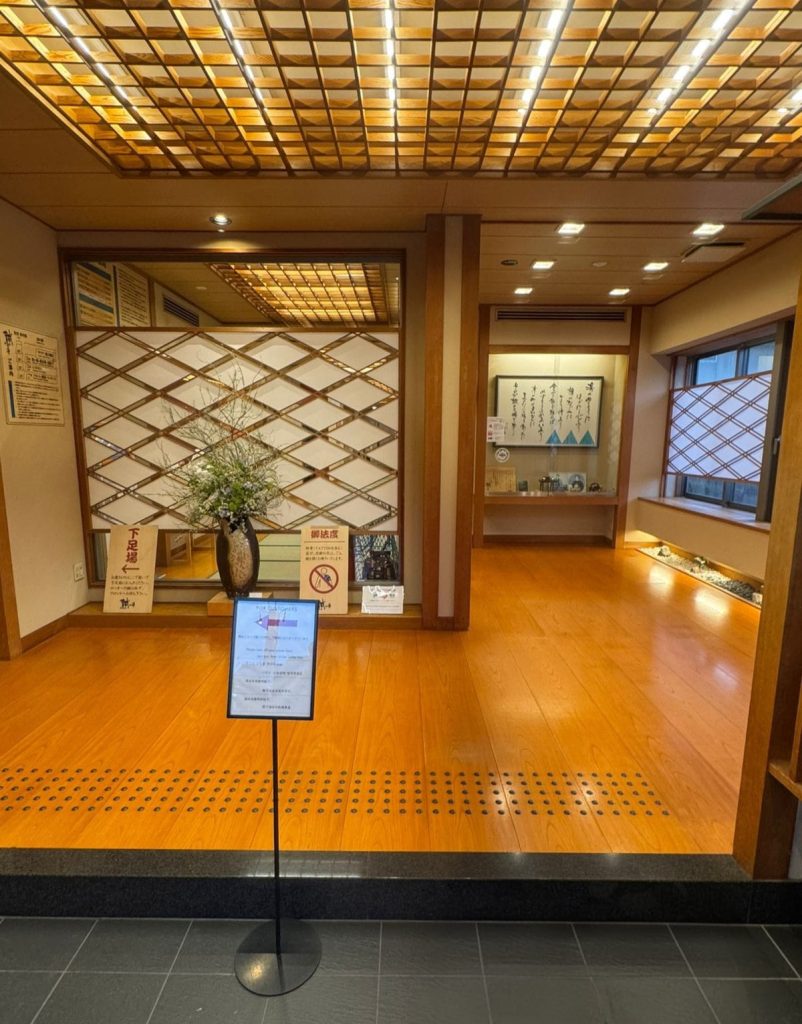
Local tip: Bring your own towel to save ¥200. Shampoo and body wash are provided.
Getting there: From Kyoto Station, take the JR Sanin Line (just two stops). The onsen is a short walk (about 400 metres) from the station.
Dinner at Kyoto Engine Ramen
No ski trip is complete without a proper meal. And after the limited food options on the mountain, we were CRAVING something substantial.
Enter Kyoto Engine Ramen, a vegan-friendly ramen shop in the Kawaramachi area of Kyoto.
How to Get There
From the onsen, we took a city loop bus to Shijo-Kawaramachi and walked from there. The restaurant is just a 2-minute walk from Hankyu Kyoto-Kawaramachi Station.
The Food
Kyoto Engine Ramen offers both regular and vegan options. Their vegan ramens are soy milk-based:
- Zesty Ramen (Vegan) – Spicy miso with creamy broth (¥1,800)
- Kyoto BEANing Vegan Ramen – Edamame-based soup with shiso accents (¥1,800)
We ordered the Zesty Ramen and the vegan gyoza soup.
Oh. My. God.
After a day of skiing and soaking, that bowl of creamy, spicy ramen was exactly what we needed. The broth was rich and flavorful, the noodles perfectly cooked, and the vegan gyoza was a delicious bonus.
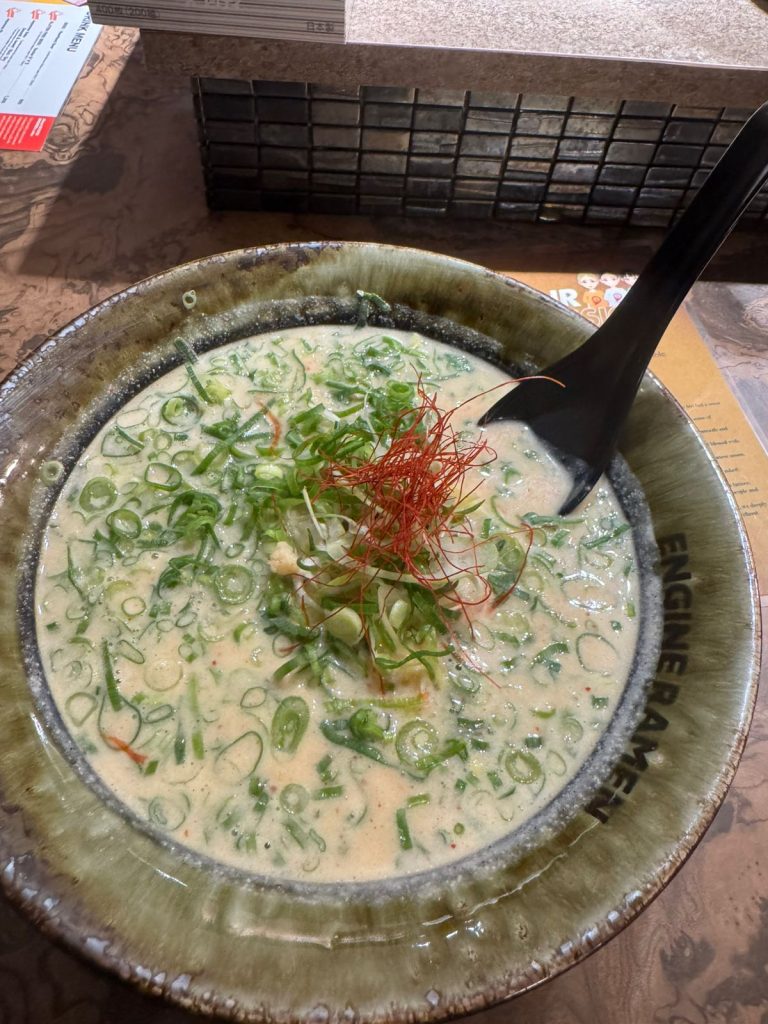
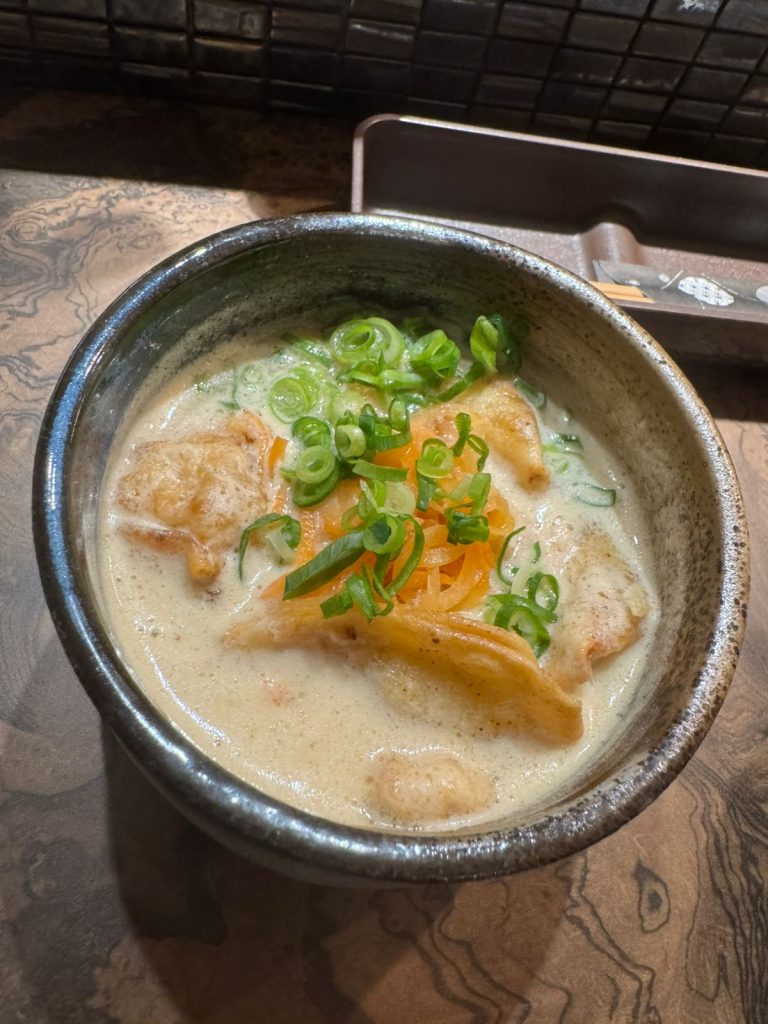
Pro tip: This place is popular and doesn’t take reservations for small groups. They give you a number and return time, so you can explore nearby Kawaramachi while you wait. Gets really crowded!
Hours: 12:00 PM – 11:00 PM daily Address: 580-2 Nakano-cho, Nakagyo-ku, Kyoto
Visiting in Other Seasons
While we visited Biwako Valley for skiing, the resort operates year-round with different attractions each season.
Green Season (Late April – Early November)
When the snow melts, Biwako Valley transforms into an outdoor adventure park:
| Activity | Description |
|---|---|
| Zip Line | Soar above Lake Biwa on one of Japan’s most scenic zip lines |
| Sky Walker | Obstacle course suspended in the trees |
| Summer Sledding | Gravity-powered fun without the snow |
| Biwako Terrace | Iconic sofa seating with panoramic lake views |
| Hiking | Trails through mountain forests |
The famous Biwako Terrace is particularly popular in summer and autumn. Picture yourself lounging on designer sofas with coffee, looking out over Japan’s largest lake. It has become one of the most Instagram-worthy spots in Kansai.
Best Times to Visit
| Season | Highlights |
|---|---|
| Winter (Dec-Mar) | Skiing, snowboarding, snow play |
| Spring (Apr-May) | Cherry blossoms, daffodils, fresh greenery |
| Summer (Jun-Aug) | Zip line, escape the heat (cooler at summit) |
| Autumn (Oct-Nov) | Stunning fall foliage from the ropeway |
The autumn foliage at Biwako Valley typically peaks around mid-November. The views from the ropeway during this time are spectacular.
Practical Information & Costs
Total Cost Breakdown (Per Day Per Person, Winter)
| Item | Cost |
|---|---|
| Train (Kobe Sannomiya → Shiga, round trip) | ~¥2,500 |
| Bus (Shiga Station → Biwako Valley, round trip) | ~¥820 |
| Lift ticket (one-day, online) | ¥5,100 |
| Full rental (ski gear + clothing) | ¥9,000 |
| Coin locker | ¥300-500 |
| Makoto-no-Yu onsen | ¥1,000 |
| Kyoto Engine Ramen | ~¥2,000 |
| TOTAL | ~¥21,000 |
Not the cheapest day trip, but for a full ski experience plus onsen plus dinner, we thought it was worth it.
What to Bring
- Warm layers (it can get cold up there at the top of the summit)
- Sunscreen (snow reflects UV rays)
- Snacks/lunch (especially if you’re vegetarian/vegan)
- Cash (some facilities are cash-only)
- Towel (for the onsen)
- Waterproof phone pouch (for photos)
- GoPro or other action camera (for ski videos)
FAQs
Can beginners ski at Biwako Valley?
Yes! There are beginner slopes and practice areas. Lessons are also available if you want proper instruction (book online in advance though). Check out the Biwako Ski School with English lessons available.
Is Biwako Valley crowded?
During peak season (January-February) and weekends, yes. We went on a Friday and it was still busy. Arrive early for the best experience.
Can I visit Biwako Valley without skiing?
Absolutely. The ropeway ride and summit views are worth it alone. In summer, the Biwako Terrace cafe and outdoor activities are popular with non-skiers.
Is the onsen tattoo-friendly?
Makoto-no-Yu strictly prohibits tattoos.
How late can I stay at Biwako Valley?
Last ropeway descent is around 4:30 PM in winter. Last bus to Shiga Station is 5:35 PM. Plan accordingly.
Final Thoughts: The Perfect Winter Day Trip
We came home exhausted but happy. Legs sore from skiing. Skin soft from the onsen. Stomach full of vegan ramen.
Could we have stayed overnight and taken it slower? Sure. But there’s something satisfying about packing skiing, soaking, and slurping into a single day. It felt like we squeezed every drop out of our weekend.
Living in Kobe, we’re always looking for day trip adventures that don’t require a flight or overnight stay. Biwako Valley checks every box: accessible by public transport, packed with activities, and close enough to Kyoto for a proper post-ski wind-down.
If you’re based in Kansai and looking for winter adventure without the hassle of traveling to Nagano or Hokkaido, give Biwako Valley a shot. Just set that early alarm, check the bus schedule twice, and bring snacks.
You’ll thank us later.
Planning more adventures around Kansai?
Check out our other guides:
20 Best Things To Do in Kobe: A Local’s Guide
Is Kobe Worth Visiting? 17 Reasons Why You Should Go
Save this for later!

![17 Reasons Why Kobe Is Worth Visiting (+ Why It’s Not) [2026]](https://the9tofly.com/wp-content/uploads/2025/09/Kobe-mosaicharbourland-scaled-e1770735482379-768x612.jpg)
![Hidden Cherry Blossom Spot in Kobe: The Cycling Road Tourists Don’t Know About [2026]](https://the9tofly.com/wp-content/uploads/2026/03/Yamada-Sakura-2-768x1024.jpeg)
![20 Best Things To Do In Kobe Japan Handpicked By A Pro [2026 Edition]](https://the9tofly.com/wp-content/uploads/2025/10/Be_Kobe-768x432.jpg)
![The Ultimate Mount Rokko & Arima Onsen Day Trip from Kobe [2026 Guide]](https://the9tofly.com/wp-content/uploads/2026/03/Logo-768x448.jpeg)