
17 Reasons Why Kobe Is Worth Visiting (+ Why It’s Not) [2026]
The9toFly contains affiliate links. If you make a purchase using one of the links below, we may receive compensation at no extra cost to you. We only recommend products and services we use and trust. Read our disclaimer for more information.
Wondering if Kobe is worth visiting?
We didn’t just visit Kobe. We live here. As in, work our 9-to-5s, grocery shop at the local supermarket, and argue about which neighborhood ramen is better.
When we first moved to Kobe, we honestly weren’t sure what to expect. Most Japan guides treat it as a quick day trip from Osaka or Kyoto. Grab some beef, snap a photo at the port, move on. But after living in this city for over three years, we can say it deserves way more attention than it gets.
This isn’t a “we spent a weekend here” travel guide. These are real insights from two foreigners who experience Kobe through all its seasons and moods. We know which spots are actually worth your time and which ones are just tourist traps.
So let’s get into it. Is Kobe worth adding to your Japan itinerary?
Quick Reference: Kobe At A Glance
| Location | Kobe, Hyogo Prefecture, Kansai Region, Japan |
| From Osaka | 20-30 minutes by train (JR, Hankyu, or Hanshin) |
| From Kyoto | 50-75 minutes by train |
| Ideal Time | 1-2 full days (or 3 if including Arima Onsen + Mount Rokko) |
| Best For | Foodies, onsen lovers, couples, escape from Kyoto crowds |
| Skip If | You are short on time! |
Is Kobe Worth Visiting? (The Honest Answer)
Short answer: Yes, absolutely.
But let’s be honest, most travel blogs won’t tell you this thing— Kobe isn’t for everyone. It’s not Kyoto with its endless temples and shrine-hopping. It’s not Tokyo with its chaos and sensory overload. And it’s not Osaka with its rowdy nightlife and “eat till you drop” energy.
Kobe is something different. It’s a city that breathes at a different pace. It’s a city where the mountains meet the sea, where old-world Western influence mixes with Japanese tradition, and where you can genuinely relax without feeling like you’re racing through a checklist.
Kobe is worth visiting if you:
- Want a break from the tourist madness in Kyoto or Tokyo
- Love food (and not just beef — though yes, we’ll talk about that)
- Appreciate a compact, walkable city with scenic views
- Want to visit one of Japan’s oldest hot spring towns (Arima Onsen)
- Enjoy sake, harbor vibes, and a more relaxed travel experience
Located in Hyogo Prefecture, just 20-30 minutes west of Osaka in the Kansai region, Kobe is ridiculously easy to reach. Whether you’re doing a day trip from Osaka or Kyoto, or staying a night or two (our recommendation), this city punches way above its weight.
Now, let’s get into the specifics.
17 Reasons Why Kobe Is Worth Visiting
We’ve organised these reasons by what actually makes Kobe special, from can’t-miss experiences to the subtle things that make everyday life here kind of magical.
1. The Views Are Genuinely Stunning (Mountains + Sea + City)
Here’s something most people don’t realize about Kobe until they arrive: the geography is insane. The city is sandwiched between the Rokko mountain range and the Seto Inland Sea, which means you get this dramatic backdrop of mountains on one side and sparkling water on the other — all within a 15-minute walk from downtown.

We’ve lived in a few cities around the world, and honestly? Kobe’s natural setting rivals anything we’ve seen. On clear days, you can see all the way to Osaka from the mountaintops. At night, the city lights spread out like a glittering blanket — and yes, it has earned the nickname “ten-million-dollar night view” for a reason.
Local Tip: The best free viewpoint is from Venus Bridge near Shin-Kobe Station. Go at dusk for the sunset-to-city-lights transition. Bring snacks from nearest convenience store.
Not in the mood to plan every minute of your life?
We get it. Between train schedules, Google Maps fails, and your partner asking “what’s next?” every 12 minutes, travel planning can feel like a second job.
Solution? Book this 4-hour private Kobe tour with a licensed local guide and let someone else do the adulting. You just show up, smile, and pretend this whole smooth trip was your idea.
2. Mount Rokko’s Night View Is Japan’s Best-Kept Secret
Forget Tokyo Tower. Skip the Osaka Observatory. Mount Rokko’s Kikuseidai observation deck offers what locals call one of Japan’s “Three Major Night Views” (and it’s not crawling with tourist buses!).
Getting there is half the fun: you take a nostalgic cable car (Maya Cablecar) from Maya Cable Station, transfer to the Maya Ropeway, and arrive at the Peak “Hoshi no Eki” Star Station. The journey itself feels like stepping into a Studio Ghibli film.
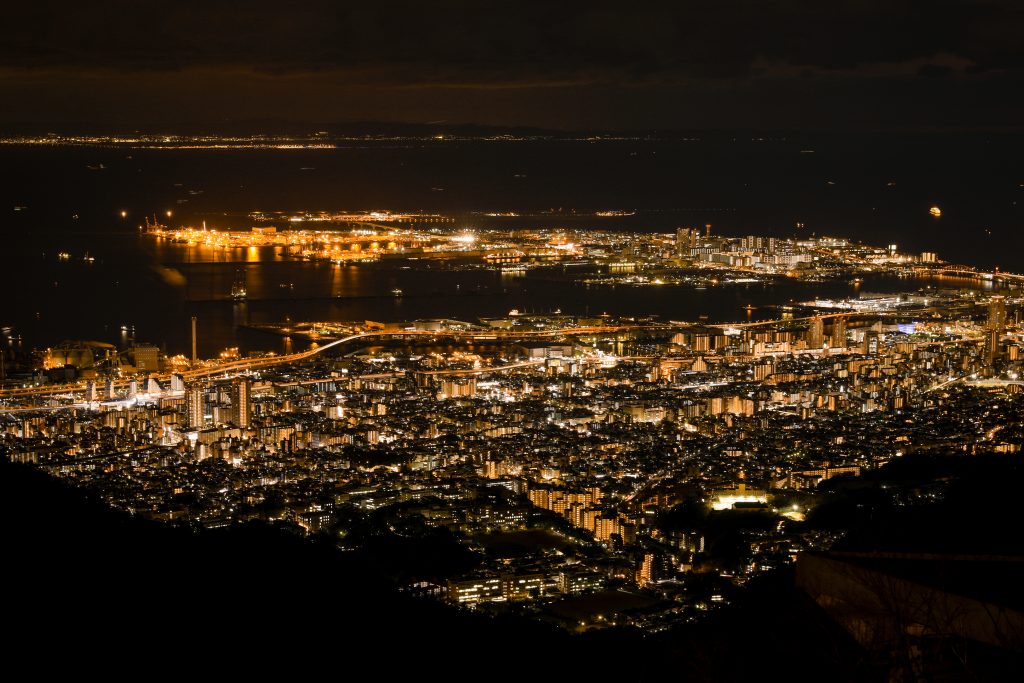
Once you’re up there, 700 meters above sea level, the cities of Kobe and Osaka spread out below like a sea of gems. Not gonna lie, we’ve been up there at least four times and it still hits differently every single visit.
Cost:
- ~¥1,560 round-trip for cable + ropeway
Local Tip: Don’t miss the “Maya Twinkle Path” walkway paved with illuminating stones that mimic the Milky Way.
3. Arima Onsen Is One of Japan’s Oldest (And Most Charming) Hot Springs
Just 30 minutes from downtown Kobe lies Arima Onsen — one of Japan’s three ancient hot spring towns, with a rich history stretching back thousands of years. This isn’t some commercialised resort spa. This is traditional ryokan inns, and natural mineral waters that have been healing people since before Tokyo was even a fishing village.
What makes Arima unique? Two distinct spring types:
- Kinsen (Golden Spring) — Reddish-brown water rich in iron and salt. Warning: it will turn your white towel orange. We learned this the hard way.
- Ginsen (Silver Spring) — Clear, carbonated water that soothes sore muscles like magic.
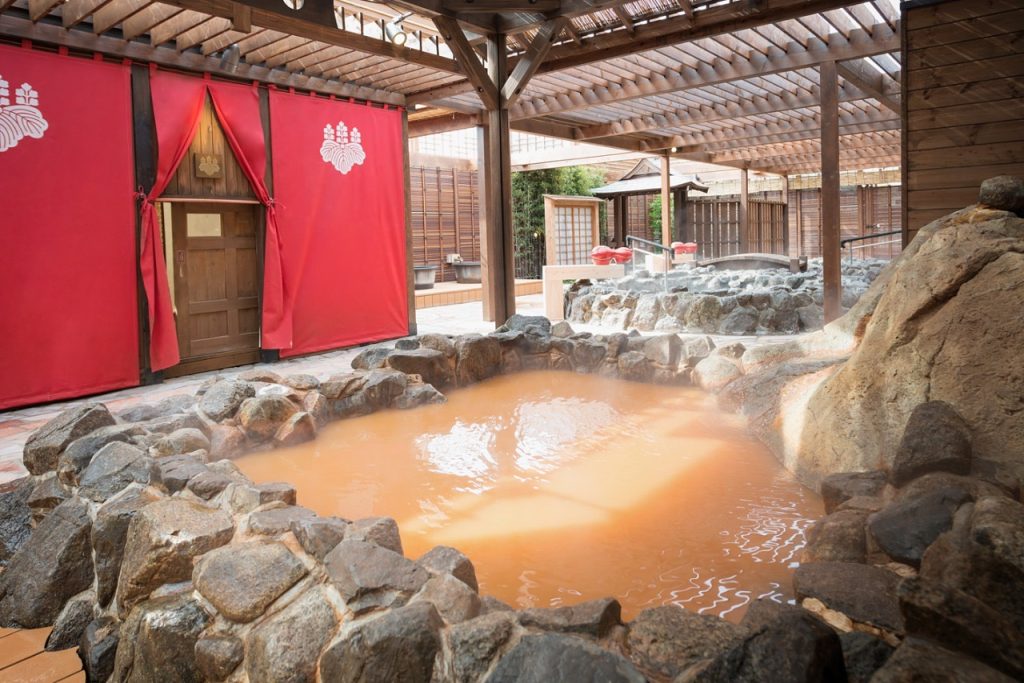
You can do Arima as a half-day trip, but we’d recommend staying overnight in a ryokan if your budget allows. Waking up in a traditional Japanese inn, soaking in an outdoor bath before breakfast? That’s peak Japan right there.
Entry Prices: Kin no Yu ¥650 | Gin no Yu ¥550 | Taiko no Yu ¥2,400-2,600
4. Kobe Beef Is The Real Deal (And Here’s Where To Actually Eat It)
Kobe beef needs no introduction. The world’s most famous wagyu comes from right here, and it’s one of the main reasons people flock to Kobe in the first place. While we’re vegetarians and can’t share a first-hand experience, we’ve heard more than enough stories over the years — from office dinners, work gatherings, and friends visiting from abroad to understand why it’s such a big deal.
Time and again, colleagues and friends have raved about the tenderness, the flavor, and the experience itself. So consider this our way of passing along their recommendations.
And don’t worry we’ve already thanked them on your behalf (You’re welcome!)
Local Tip: If you’re on a budget, try Kobe beef croquettes at the street stalls in Nankinmachi (Chinatown) — around ¥400 for a taste of the good stuff without destroying your wallet.
5. Nankinmachi (Kobe Chinatown) Is Perfectly Bite-Sized
Japan has three major Chinatowns in Yokohama, Nagasaki, and Kobe. Kobe’s Nankinmachi is the smallest, but in our opinion, the most charming. It’s not overwhelming or touristy in a bad way. You can stroll the entire thing in an hour while munching on pork buns, butaman, and those legendary croquettes.
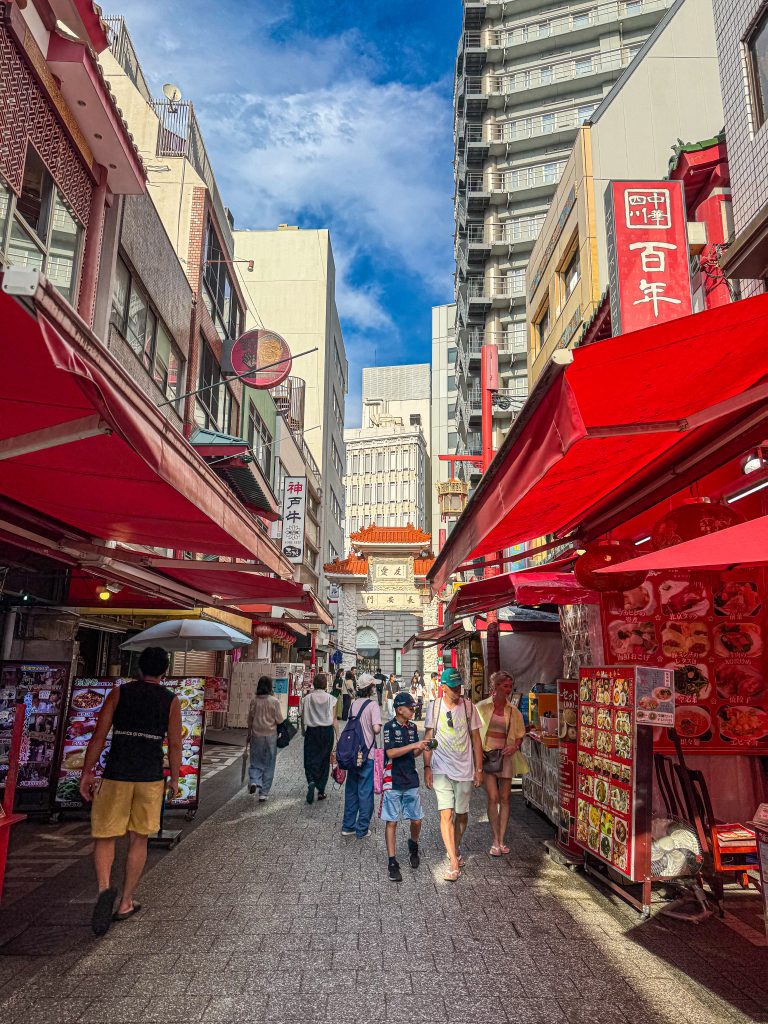
Red lanterns line the streets year-round, creating an atmosphere that’s especially magical after sunset. If you’re visiting during Chinese New Year (January/February) or the Mid-Autumn Festival (September/October), expect cultural performances, and mooncakes everywhere.
Cost: Free to explore! Budget ¥1,500-2,500 for street food snacking.
Local Tip: If you are a vegan/vegetarian, you may not find a lot of options to eat. So buy/prepare your food in advance!
6. Kobe Port Tower Just Got A Massive Glow-Up
You’ve seen this iconic red tower in every Kobe postcard. Kobe Port Tower reopened in April 2024 after a major renovation, and it’s genuinely impressive now.
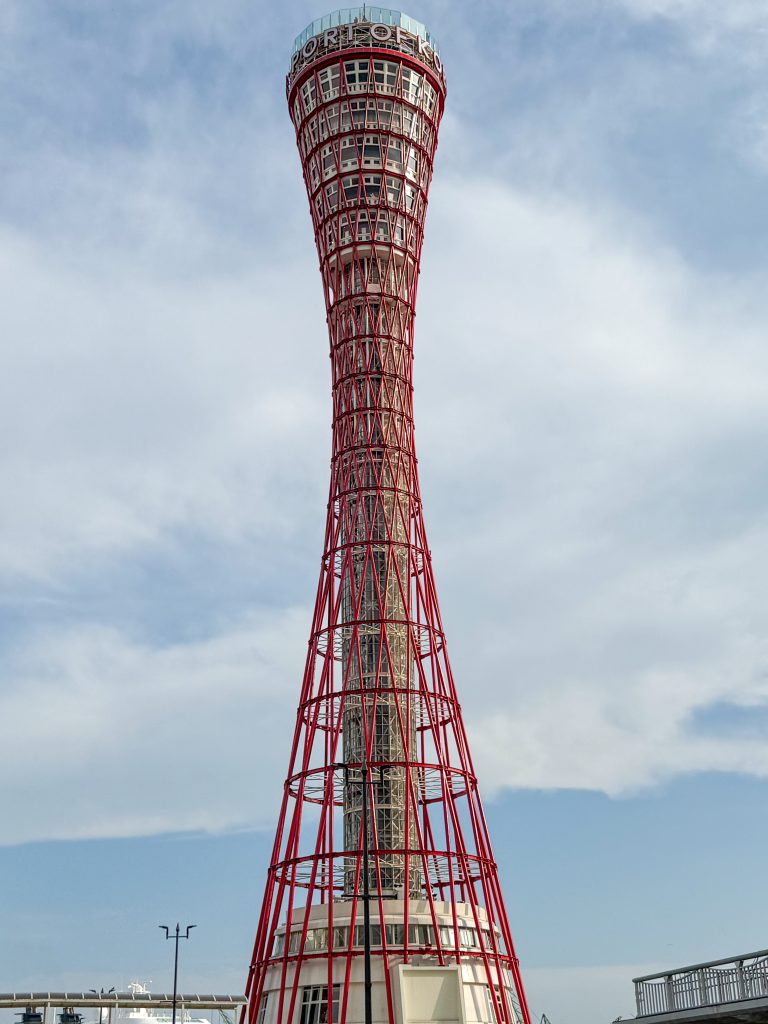
One of our favorite things about this tower is the revamped tower featuring a 360-degree revolving café and bar (yes, it slowly spins while you sip coffee), and a rooftop observation deck!
Whether you’re into skyline views, architecture, or just need a chill break with a view, this is the place to be!
Cost & Hours:
- ¥1,200 adults | ¥500 children
- 9:00 AM – 11:00 PM daily (last entry 10:30 PM)
Local Tip: Time your visit just before sunset. It’s a magical experience you really won’t want to miss.
7. The Sake Situation In Nada Is Serious (In A Good Way)
The Nada-Gogo district is Japan’s largest sake-producing region. These breweries have been operating since thousands of years, and many offer free tours, tastings, and museum-style exhibits.
We’ve done the “Sake Brewery Street” walk multiple times (well it’s all Vince since Annie doesn’t drink), and our favorites include Hakutsuru and Kiku-Masamune. Both offer free tastings and a fascinating look at traditional brewing methods.
Local Tip: Visit on a weekday to avoid crowds. Try the barrel-aged sake at Kiku-Masamune’s Taru-meister section — it’s unlike anything you’ll find elsewhere.
8. Kitano-cho’s Western Houses Are Unlike Anything In Japan
Kobe was one of the first Japanese ports opened to foreign trade in 1868, and wealthy Western merchants built European-style mansions in the hillside neighborhood of Kitano-cho. These “ijinkan” (foreigner residences) still stand today, creating a neighborhood that feels like you’ve been transported to 19th-century Europe.
You can tour several preserved houses, each decorated with period furniture and offering different architectural styles — French, German, English, American. The area is also packed with cute cafés, boutiques, and some of the best people-watching in Kobe.
Costs:
- Some houses are free; combo tickets available for ¥1,500-3,000
9. Meriken Park’s BE KOBE Sign Is More Than A Photo Op
Yes, everyone takes a photo with the giant “BE KOBE” letters. But what most visitors don’t know is the story behind it. The monument was installed in 2017 to celebrate Kobe Port’s 150th anniversary and honor the city’s resilience after the devastating 1995 Great Hanshin-Awaji Earthquake.
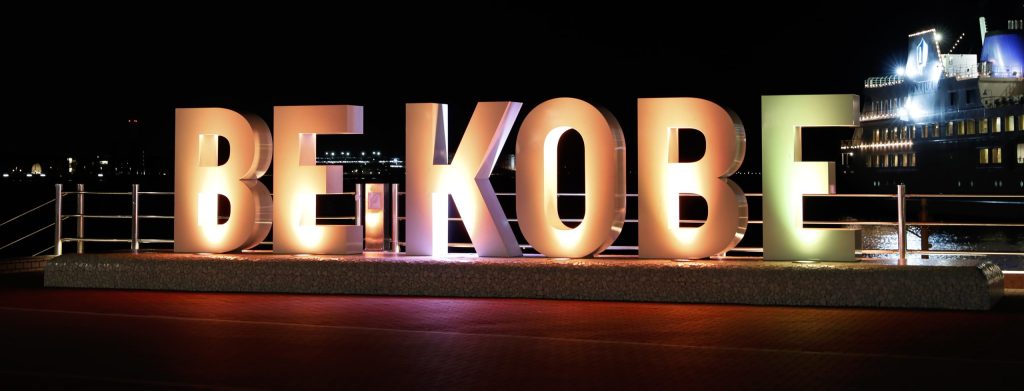
Nearby, you’ll find preserved earthquake memorial walls and pillars reminding us what this city has been through and rebuilt from. The contrast between celebration and remembrance makes Meriken Park more than just a tourist stop.
Cost & Hours:
- Free (open 24/7)
Best time: Dusk, when both the BE KOBE letters and port skyline light up together.
10. Nunobiki Falls Is A Waterfall Hike Inside The City
Here’s something that blows visitors’ minds: there’s a legit waterfall trail starting right behind Shin-Kobe Station, literally a 15-minute walk from the bullet train platform. Just pure natural bliss!
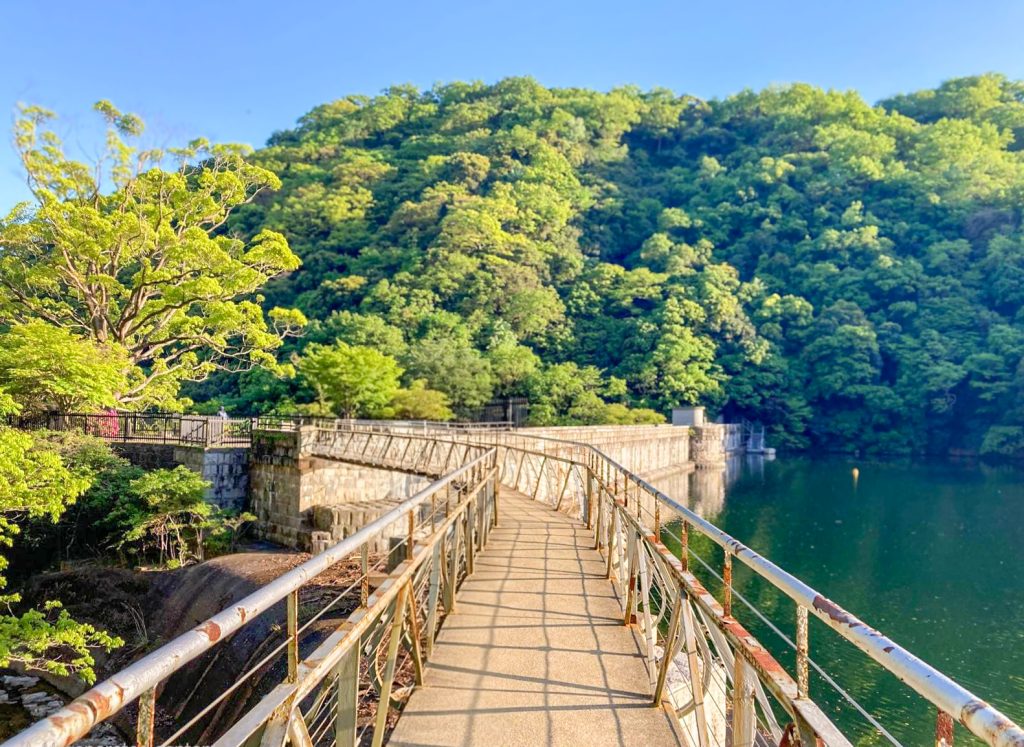
The Nunobiki Falls trail features four cascading waterfalls, with Ontaki being the tallest among all. The path is well-maintained with stone steps and handrails, and you can complete the round-trip in about 2 hours tops.
Local Tip: Stop at the Ontaki teahouse (operating since 1915) for coffee or a cold beer with a waterfall view. Or take the Nunobiki Ropeway up and hike down — you’ll pass the falls on your way.
11. Kobe Nunobiki Herb Gardens Is A Mountaintop Escape
A 10-minute ropeway ride from Shin-Kobe Station takes you to one of Japan’s largest herb gardens with panoramic views of the city and sea below.
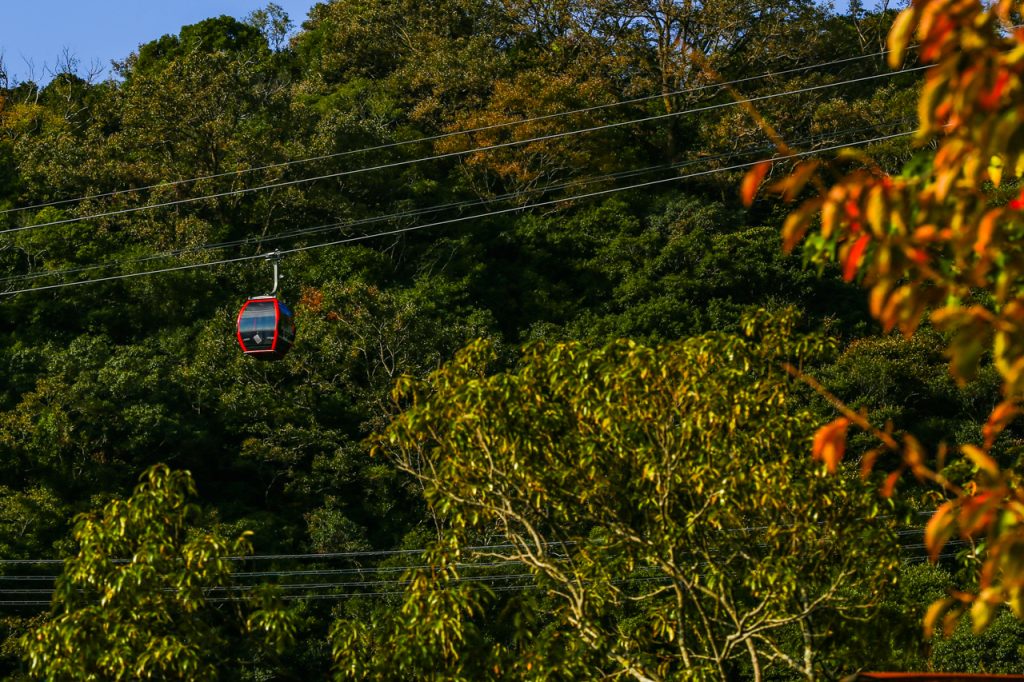
What we personally like about this place is it is gorgeous year-round: lavender in summer, roses in spring, autumn leaves in November. There’s a charming glasshouse, hands-on aroma workshops, and cafés where you can sip herbal tea (or wine) with those views.
Costs:
- ¥1,400 adults | ¥700 children (includes ropeway + garden entry)
Local Tip: Don’t rush down after your visit — take the scenic walking trail back to Shin-Kobe and pass Nunobiki Falls on the way down. Two attractions for one ropeway ticket!
12. AQUARIUM × ART átoa Is An Aquarium Like No Other
Forget everything you know about traditional aquariums. átoa is a theater-style aquarium that blends sea creatures with digital art, ambient lighting, sound effects, and even scent design. Each themed zone feels like walking through a dream.
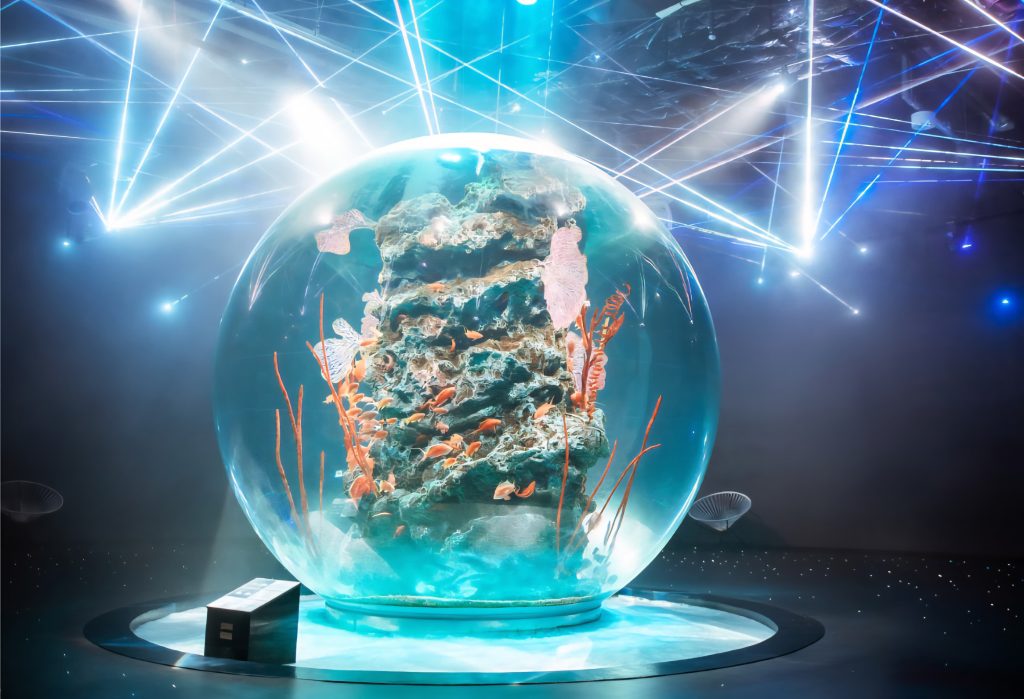
Jellyfish float in illuminated tanks that shift colors. Mirrored halls blur the line between art and nature. It’s part aquarium, part immersive art gallery, and 100% unlike anything we’ve experienced elsewhere in Japan.
Costs:
- ¥2,600-2,800 adults | ¥1,500-1,600 children
13. Harborland’s Sunset & Evening Vibes Are Perfect For Winding Down
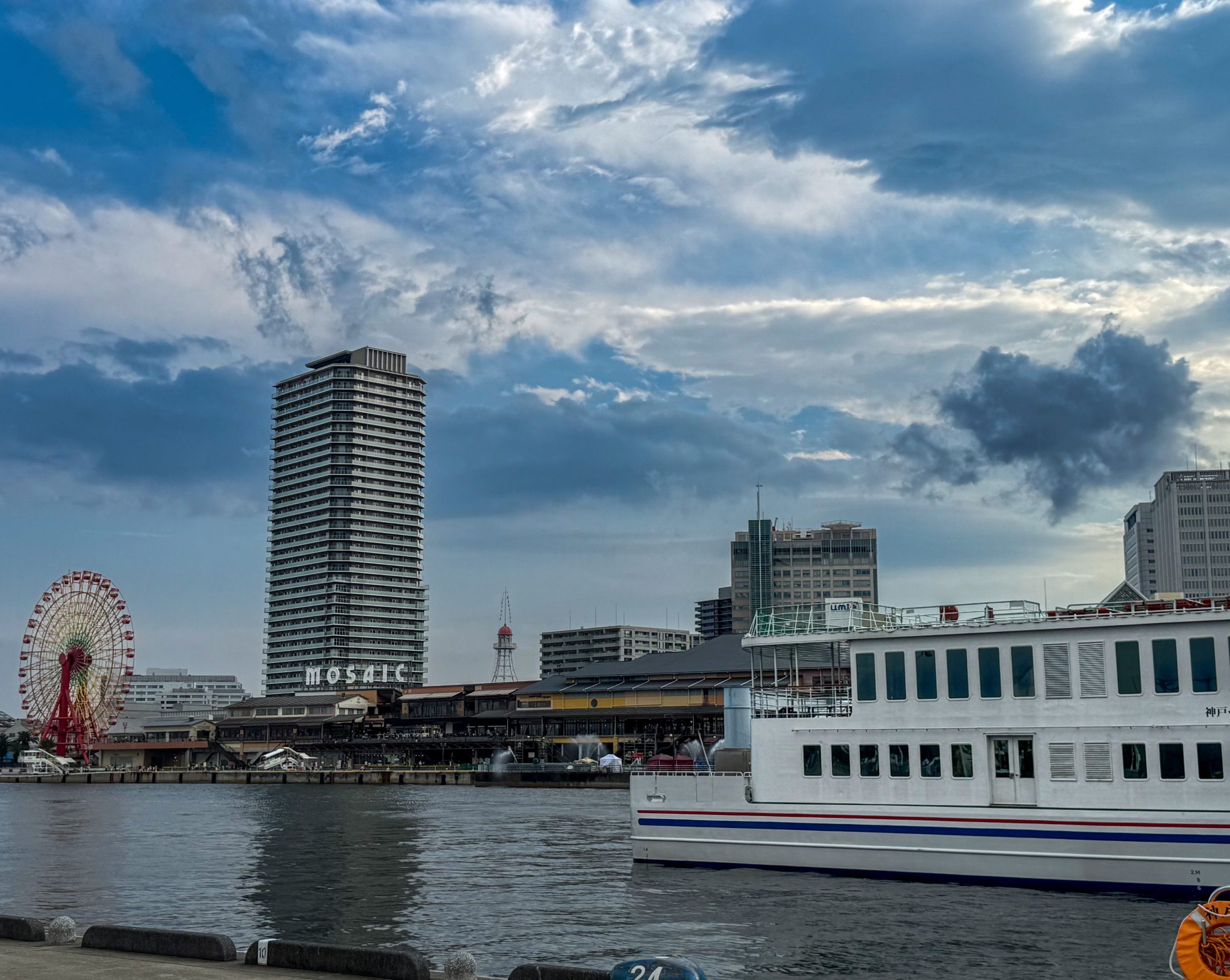
Kobe Harborland and the adjacent Mosaic shopping/entertainment complex is where locals go to unwind. Picture pastel storefronts, canal-side cafés, a Ferris wheel that lights up at night, and street performers on weekends.
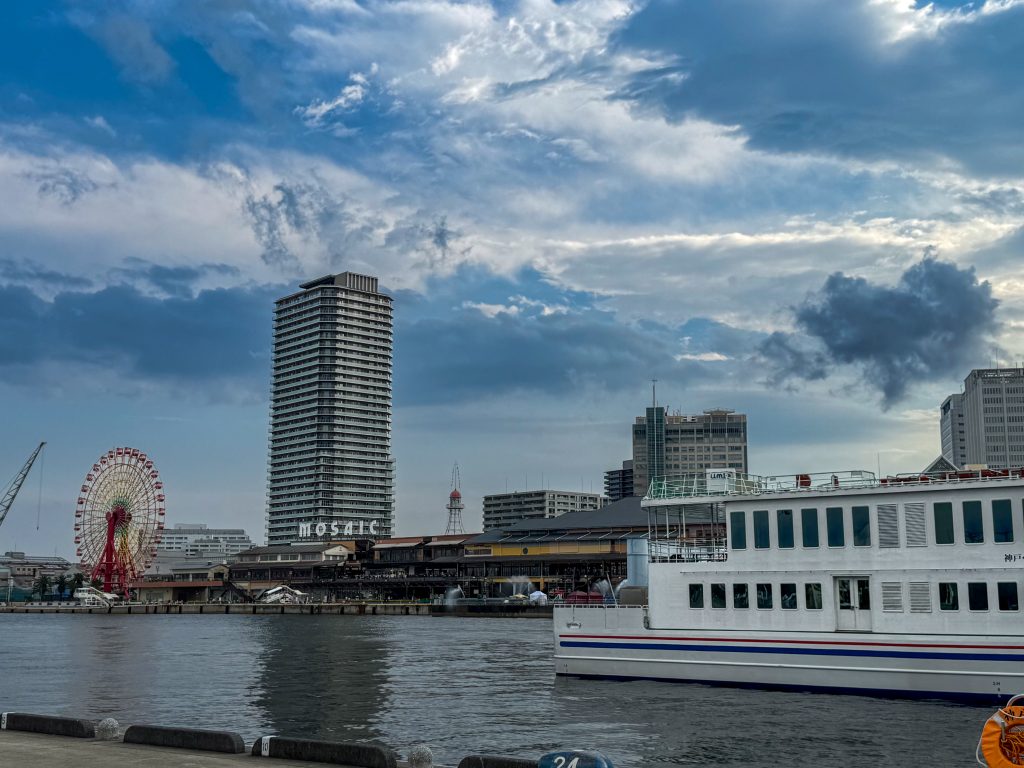
It’s free to explore, and there’s no pressure to buy anything — just grab a crepe or coffee, find a bench facing the water, and watch the sunset turn the harbor golden. This is our go-to spot for a date night after a long work week:)
Local Tip: Go around 6 PM when the Ferris wheel lights up and the sea breeze gets cool.
14. Kobe Is Compact And Incredibly Easy To Navigate
Unlike the chaos of Tokyo’s Shinjuku or the confusing layout of Osaka-Umeda, Kobe is ridiculously easier to navigate. The main attractions (Sannomiya, Motomachi, Nankinmachi, Harborland, Meriken Park) are all connected and can be covered on foot in a single day.
The train system is straightforward (JR, Hankyu, and Hanshin lines all run parallel), and the City Loop Bus connects major sightseeing spots in a circular route for just ¥800 for a day pass.
Local Tip: Try LUUP electric scooters — they’re available all over the city and perfect for quick zips between attractions. Just download the app and scan. Keep in mind you’ll need to pass a short theory test in the app first, so make sure you do that beforehand.
15. It’s Actually Affordable (Compared To Tokyo & Kyoto)
This is something budget travelers will appreciate: Kobe is noticeably cheaper than Tokyo or Kyoto. Accommodation, food, and transport all come at friendlier prices. You can find great business hotels near Sannomiya for ¥8,000-12,000/night, whereas comparable options in Kyoto would cost 30-50% more.
Many of the best experiences like Meriken Park, Nankinmachi strolling, Harborland evening walks, Nunobiki Falls hike, are completely free. Even the paid attractions rarely exceed ¥1,500-2,000.
16. The Vegan & Vegetarian Food Scene Is Surprisingly Good
As vegetarians ourselves, we have to mention this. Kobe has a growing plant-based food scene that’s significantly better than what you’ll find in many other Japanese cities. From dedicated vegan cafés to restaurants with clearly marked vegetarian options, we’ve been pleasantly surprised.
Some favorites include vegetarian Buddhist temple cuisine (shojin ryori), vegan-friendly Indian restaurants in the Sannomiya area, and even vegan options at some of the trendier cafés in Kitano-cho.
We’ll be publishing a dedicated “Vegan Eats in Kobe” guide soon — stay tuned!
17. It’s An Escape From The Crowds (Even In Peak Season)
This might be Kobe’s biggest selling point. While Kyoto is getting crushed under overtourism and Tokyo is perpetually packed, Kobe remains relatively uncrowded (not true for Cherry blossom season though!).
No fighting for space at shrines. No shoulder-to-shoulder train platforms (mostly). Just… breathing room. If you’ve been stressed by the crowds in other Japanese cities, Kobe will feel like a vacation from your vacation.
Why You Might Want To Skip Kobe
Look, we live here and we love it. But we’re not going to pretend Kobe is perfect for every traveler. Here’s the honest reality of what might disappoint you:
Limited “Blockbuster” Attractions
If you’re the type who needs bucket-list landmarks to feel satisfied, Kobe might underwhelm. There’s no Fushimi Inari with 10,000 torii gates. No ancient castle like Himeji (though that’s only 45 minutes away). No TeamLab installations (there is one newly opened in Kyoto) or anime theme parks (there is Nijigen no mori in Awaji Island). Kobe’s appeal is more subtle — atmosphere over icons.
The Nightlife Is… Relatively Quiet
If you’re looking for Osaka-style party energy with packed izakayas and clubs until 5 AM, Kobe might feel sleepy. Of course, there are international bars and clubs, but it’s nothing like the wild nights you’ll find in Osaka’s Dotonbori or Tokyo’s Shibuya.
Temple/Shrine Lovers Might Be Disappointed
Kobe has shrines and temples, sure. But nothing that compares to Kyoto’s Kinkaku-ji, Nara’s Todai-ji, or even Osaka’s Shitenno-ji. If your Japan itinerary is temple-focused, Kobe might not be an ideal place!
Is Kobe Worth It As A Day Trip From Osaka Or Kyoto?
Absolutely yes. A day trip works perfectly because Kobe is so compact and well-connected.
From Osaka: 20-30 minutes on JR, Hankyu, or Hanshin lines. ¥410-680 one-way depending on the line.
From Kyoto: 50-75 minutes depending on whether you take JR Special Rapid or regular trains. ¥1,100-1,500 one-way.
Sample Day Trip Itinerary:
- Morning: Arrive at Sannomiya → Nunobiki Falls hike or Ropeway to Herb Gardens
- Lunch: Kobe beef lunch set or Nankinmachi street food
- Afternoon: Kitano-cho Western houses → Stroll to Meriken Park & Harborland
- Evening: Sunset at Harborland → Dinner → Train back
That said, we’d strongly recommend staying overnight- and oh don’t miss the Arima Onsen. There are lot of hidden gems in Kobe and cramming all of them into a day trip from Osaka/Kyoto would feel rushed and exhausting.
FAQs About Visiting Kobe
Quick answers to the questions travelers ask us most often:
How many days should I spend in Kobe?
For core Kobe attractions: 2 full days are enough. To include Arima Onsen and/or Mount Rokko: 3 days is ideal. If you want a relaxed pace with ryokan stays, you can choose to extend beyond!
Which is better, Kobe or Nara?
They’re completely different experiences. Nara is temples, deers, and ancient Buddhist heritage. Kobe is food, harbor views, onsen, and multicultural history. If you only have time for one: choose Nara for temples, choose Kobe for food + relaxation.
Should I stay in Kobe or Osaka?
Stay in Kobe if you want a quieter, more romantic atmosphere with harbor views. Stay in Osaka if you prioritize nightlife, food variety, and a central hub for day trips. Both are well-connected to Kyoto, Nara, and Himeji. Kobe gets a bonus point here coz it will be a lot cheaper than Osaka for sure!
When is the best time to visit Kobe?
Spring (March-May) for cherry blossoms and perfect weather. Autumn (October-November) for fall foliage and mild temps. Winter is great for Arima Onsen — hot springs + cold air is magical. Summer (June-August) is hot and humid, but still doable.
Is Kobe safe?
Extremely. We walk around at all hours and have never felt unsafe. Japan overall has very low crime rates, and Kobe is no exception.
Do I need to speak Japanese in Kobe?
No. Tourist areas have English signage, and Google Translate works great for restaurant menus. Most people under 40 understand basic English, and everyone is patient and helpful.
Final Thoughts: Should You Visit Kobe?
After living here for over a year, exploring every neighborhood, and eating our way through the city (it’s a tough job), here’s our honest verdict:
Yes, Kobe is absolutely worth visiting but go with the right expectations.
This isn’t a city that screams for attention. It won’t overwhelm you with bucket-list landmarks or TikTok-famous attractions. Instead, Kobe offers something increasingly rare in over toured Japan: space to breathe, beauty that sneaks up on you, and experiences that feel authentically local.
The mountains and sea. The harbor sunsets. The world’s best beef. One of Japan’s oldest hot springs just 30 minutes away. A sake district with 700 years of history. Western architecture perched on hillsides. All of it compact, accessible, and uncrowded.
If that sounds like your kind of travel, Kobe won’t just be worth visiting — it might become one of your favorite stops in Japan.
Got questions about Kobe? Drop them in the comments or DM us — we love helping fellow travelers plan their trips!
LIKE THIS POST? PIN IT FOR LATER & SHARE IT WITH OTHERS!
Don’t Forget Travel Insurance!
We never travel without coverage. SafetyWing offers flexible, monthly-rolling travel insurance that covers you anywhere in the world.
➡️ Check out SafetyWing Nomad Insurance

![Hidden Cherry Blossom Spot in Kobe: The Cycling Road Tourists Don’t Know About [2026]](https://the9tofly.com/wp-content/uploads/2026/03/Yamada-Sakura-2-768x1024.jpeg)
![Biwako Valley Ski Resort Day Trip from Kobe [2026 Guide]](https://the9tofly.com/wp-content/uploads/2026/02/WhatsApp-Image-2026-02-25-at-10.44.46-PM-768x399.jpeg)
![The Ultimate Mount Rokko & Arima Onsen Day Trip from Kobe [2026 Guide]](https://the9tofly.com/wp-content/uploads/2026/03/Logo-768x448.jpeg)
![20 Best Things To Do In Kobe Japan Handpicked By A Pro [2026 Edition]](https://the9tofly.com/wp-content/uploads/2025/10/Be_Kobe-768x432.jpg)